There is no single reliable answer to how much it costs to clear a bathroom clog in Israel. A plumber’s quote depends on where the blockage sits, how accessible the pipe is, which clearing method is appropriate, how urgent the visit is and whether the wider drainage line needs checking. This guide focuses on how the pricing works, so English-speaking residents can compare quotes and avoid surprises.
Related read: how handyman hourly pricing works in Israel.
What shapes a bathroom drain quote
The first question is where the obstruction is located. A slow bathroom sink, bath or shower drain may have a local buildup of hair, soap and everyday debris. When several fixtures drain slowly at the same time, the blockage may be farther along the apartment’s pipework or on a shared building line. Clearing a nearby trap may then be only part of the job, with diagnosis and access affecting the quote.
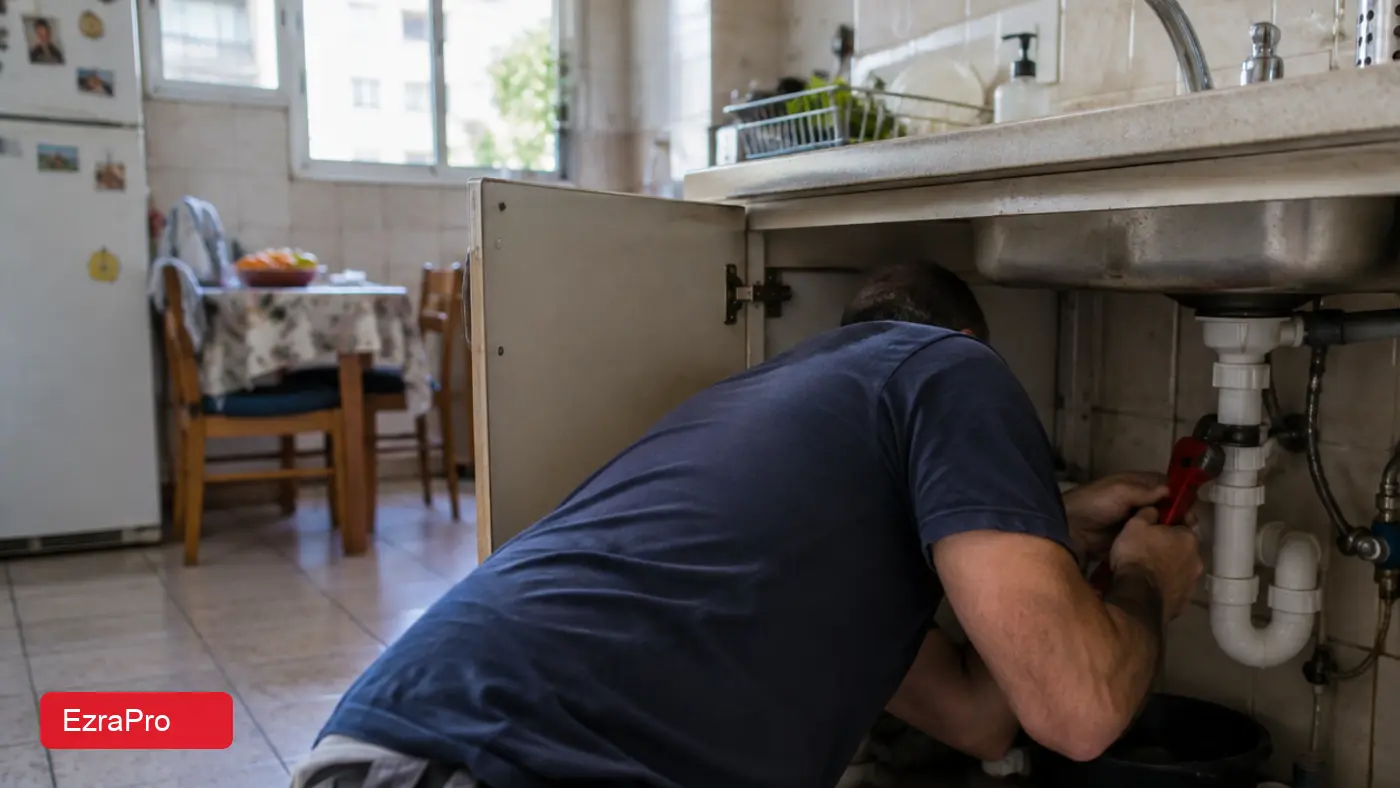
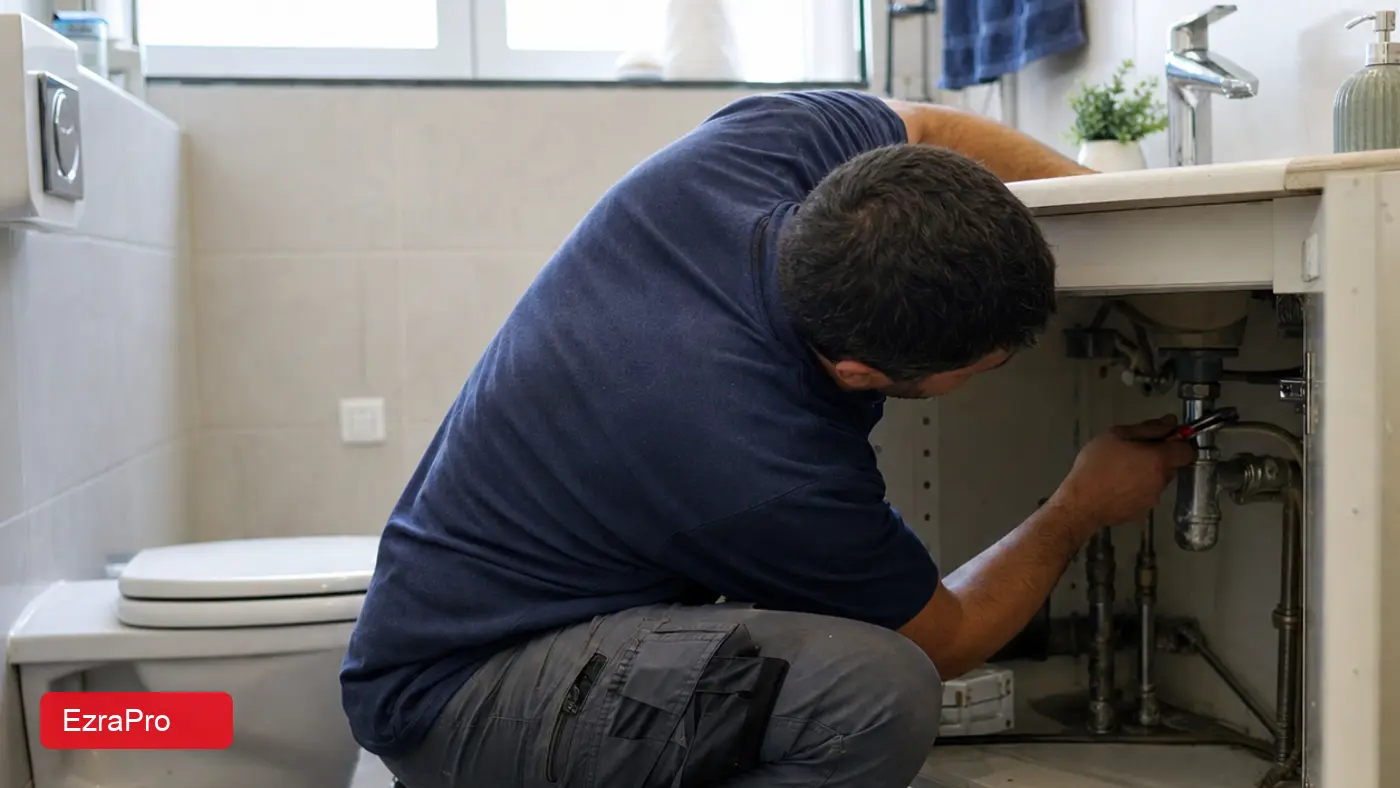
Access matters as much as the symptom. A trap under a basin is usually easier to reach than a bath waste, a hidden inspection point or a connection behind finished surfaces. Ask whether the quoted service includes the initial assessment, removing and refitting a trap, ordinary consumables, a flow test and cleaning the work area.
- the location and depth of the blockage;
- one affected fixture or several;
- access to the trap and inspection point;
- whether further diagnosis or equipment is needed.
Clearing methods and when they differ
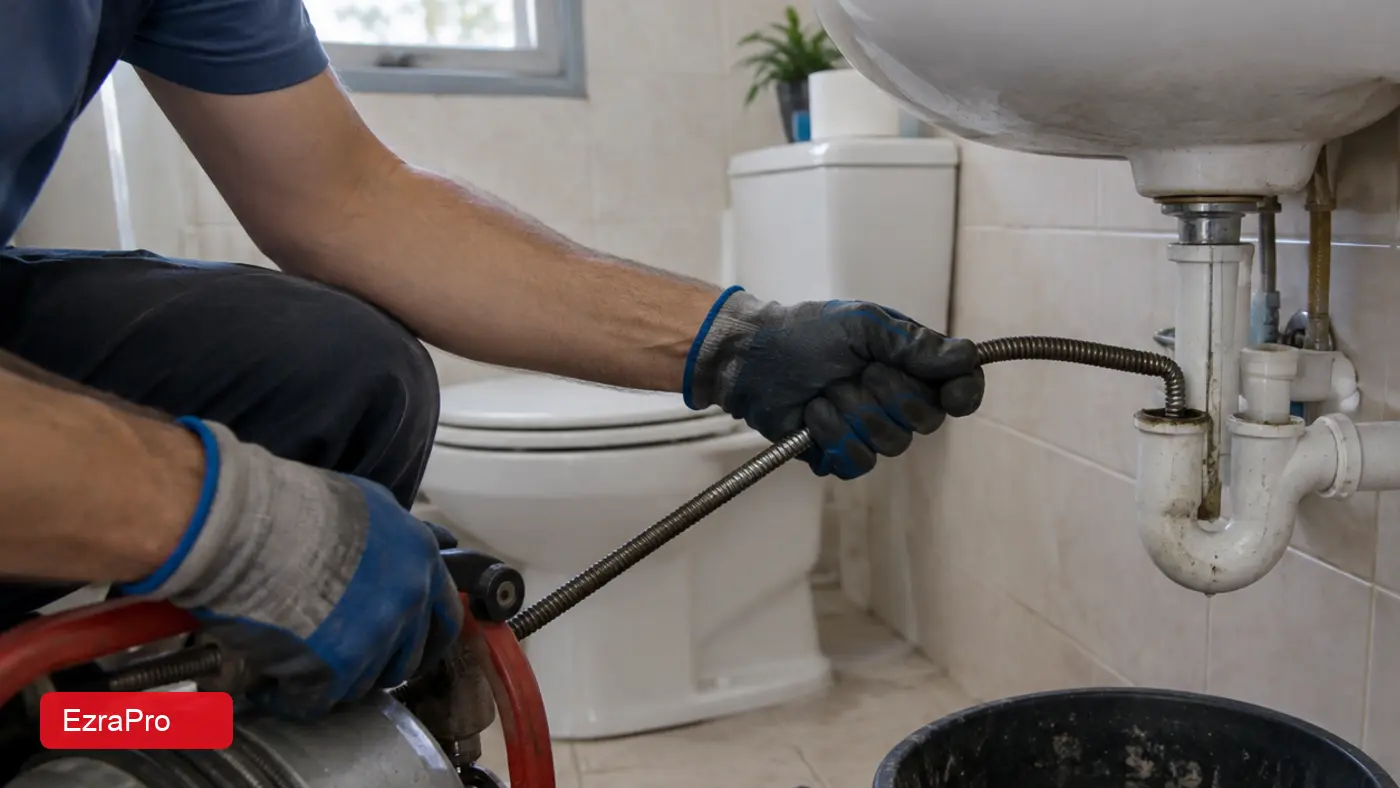
For a nearby blockage, a plumber may remove and clean the trap, clear visible debris or use a hand auger. This approach is sensible when the obstruction is close to the opening and the pipe is otherwise sound. If you have already used a chemical drain product, tell the plumber before work begins. It affects safe handling and the choice of method.
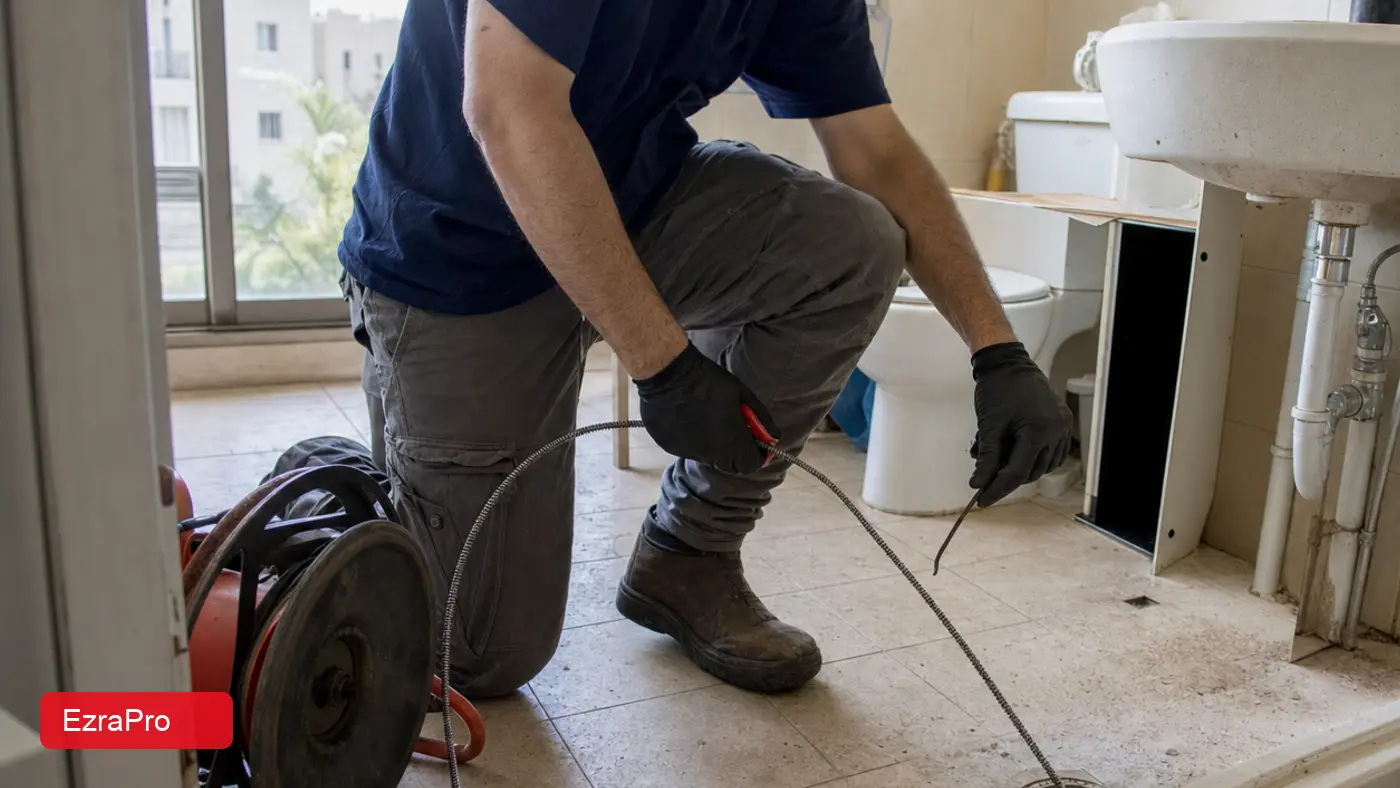
A deeper blockage may call for a longer cable, mechanical equipment or an appropriate flushing method. The right approach cannot be selected from «the water is not going down» alone. If the problem keeps returning, ask whether the plumber will check the pipe condition, connections, gradient and the possibility of a foreign object rather than simply repeating the same clearing attempt.
- tell the plumber about any chemical product already used;
- ask what equipment is included;
- request a flow test after clearing;
- confirm what would count as additional work.
How to compare plumbers’ quotes
Before booking, send a concise description: which fixture is affected, when the problem started, whether water backs up or smells, whether other drains are slow and what you have already tried. A photo of the trap or inspection area can help the plumber understand access. It cannot replace an on-site assessment, especially when several drains are involved.
Do not compare only the final figure in a message. Check whether the call-out, diagnosis, standard clearing, trap removal and refitting, consumables and post-work clean-up are included. Ask how the quote changes for an urgent visit, out-of-hours access, difficult entry or specialist equipment. Get the agreed scope in writing before the work starts.
- describe symptoms rather than only saying «clog»;
- separate standard work from possible extras;
- ask what follow-up or workmanship cover applies;
- keep the written description and agreed scope.
When it is urgent and what to do first
Arrange prompt help if water rises quickly, backs up through another drain, a strong odour appears or several fixtures stop draining. Stop using connected appliances where possible, move belongings away from the wet area and place a container under an accessible leaking connection. In a rented flat or shared building, document the issue and notify the landlord, property manager or building committee when a common line may be involved.
Do not mix drain chemicals or pour a new product over one already sitting in the pipe. This can create hazardous fumes and make the plumber’s work less safe. If there is an active leak, ask for the connections to be checked after reassembly; restoring flow alone does not prove that the system is watertight.
- limit use of the affected drain;
- disclose any chemical treatment;
- ask whether a shared building line may be involved;
- request a leak check after reassembly.
Reducing the chance of another blockage
Once the drain is open, ask what the plumber believes caused the problem. A simple drain screen and regular removal of hair can reduce buildup in a bathroom. Do not pour grease, renovation residue, wipes or unsuitable materials into the sink or bath drain, since they can collect on pipe walls or remain trapped at a connection.
If the symptom returns soon after the visit, contact the plumber and describe how quickly it came back. A nearby obstruction may have been cleared while a deeper restriction remains. For a broader look at how Israeli home-service quotes are structured, see the guide to handyman hourly pricing in Israel.
- use a screen over the drain opening;
- keep unsuitable waste out of the pipework;
- watch the drainage speed after the repair;
- confirm the terms for a return visit.