“How much does a plumber cost?” has no single answer because the job may be a visible leak, a blocked drain, a tap replacement or a fault hidden behind a wall. To compare quotes fairly, look at what the visit includes, how the work is defined and what could add to the scope.
Related read: how plumbers in Israel build a service quote.
What a plumbing quote may cover
A quote may account for the call-out, an initial inspection, fault-finding, the repair itself and any parts needed. Sometimes the cause is obvious; in other cases the plumber has to investigate why water is escaping or draining slowly. Ask whether diagnosis is included in the quoted work or charged separately, and how the plumber will handle further investigation if the cause is not immediately clear.
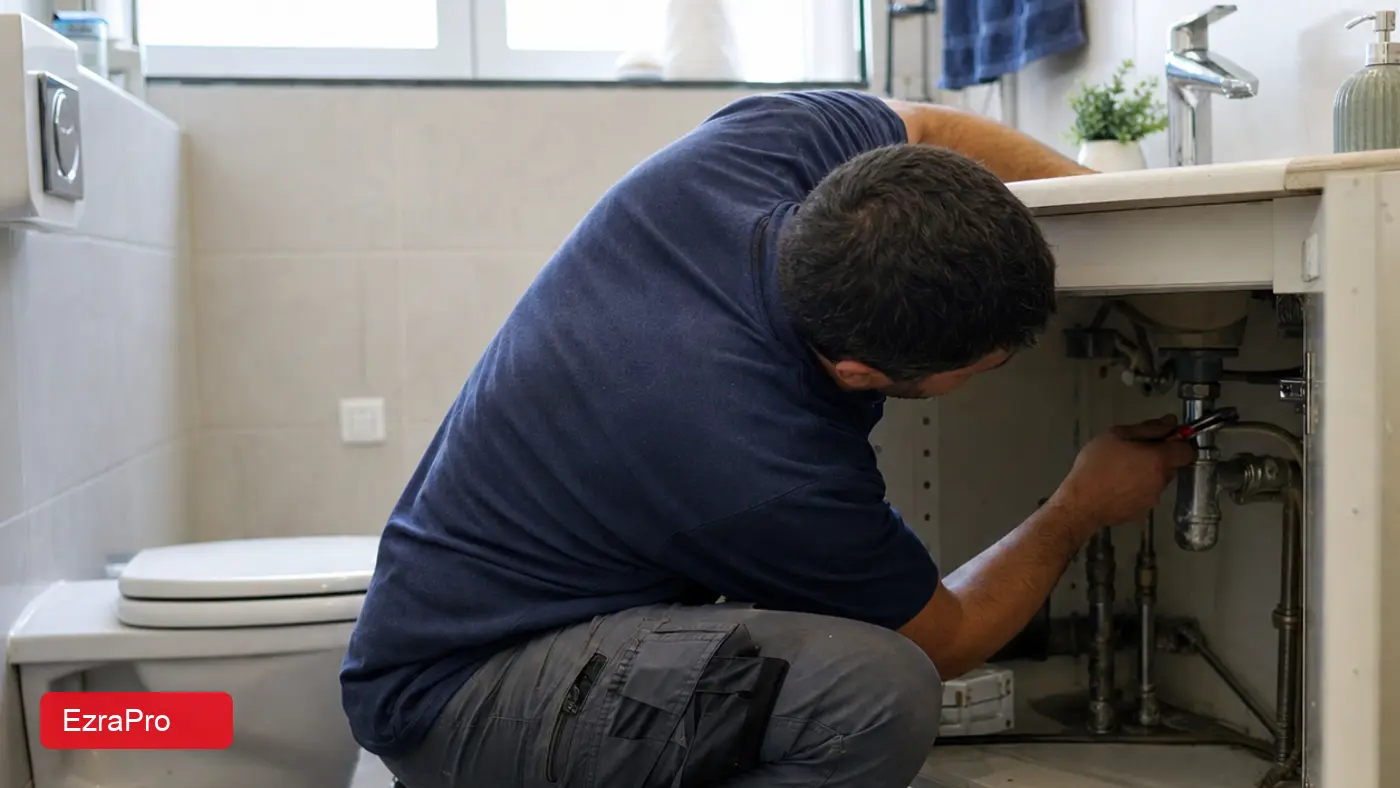
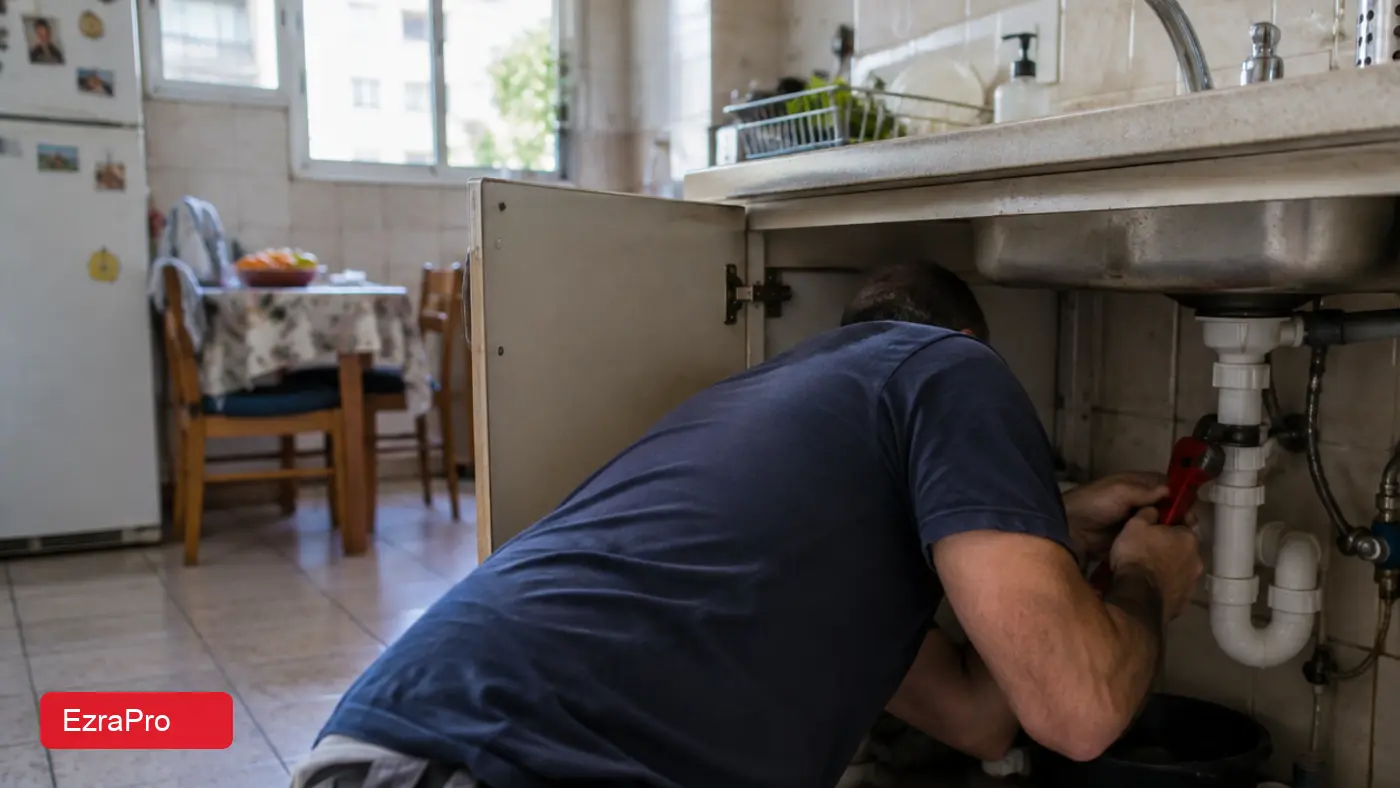
Access can change the job substantially. A visible connection that is easy to reach is different from pipework behind a cabinet, under flooring or inside a wall. If the repair could require dismantling or reinstating finishes, ask for those stages to be identified separately. A written breakdown helps you see what labour and materials are included rather than relying on a broad description such as “plumbing repair”.
- Check whether the call-out and initial inspection are included.
- Ask how additional work will be approved before it starts.
- Clarify who supplies parts and which materials are covered.
Why the type of job matters
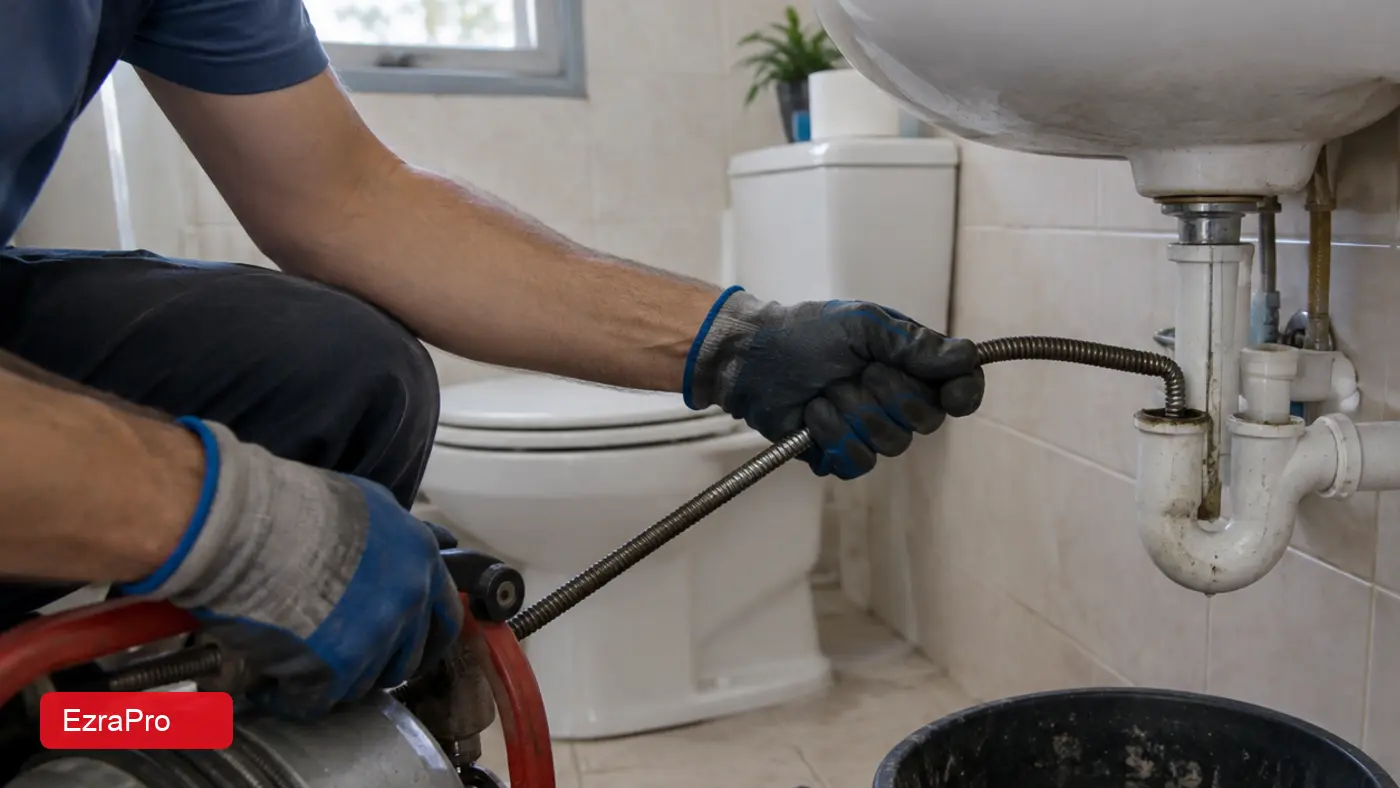
Clearing an accessible trap, replacing a tap, repairing a toilet cistern and locating a concealed leak call for different work. Some jobs need only standard tools and clear access; others may require additional equipment, shutting off the water or more investigation. “A plumber by the hour” does not explain the full arrangement: ask how time is counted and what happens if the job runs longer or the first visit does not resolve the problem.
An urgent call may be handled under different terms from a planned appointment. Do not assume what those terms are; ask in advance about the call-out, diagnosis and any conditions attached to an out-of-hours visit. If water is actively leaking or there is a risk of flooding, explain that when you call and ask what safe steps to take while waiting.
What to tell the plumber before the visit
Describe the symptom clearly: where water appears, when it started, whether it is recurring, and whether one fixture or several are affected. If it is safe and does not delay shutting off water, a photo or short video may help the plumber understand the issue. It may still be necessary to inspect the property before giving a firm quote.
Mention whether the pipework is accessible, whether there is room to work and whether you know where the relevant shut-off valve is. In an apartment building, it can matter whether the fault is inside your flat or in a shared system. If you are unsure how to turn off the water, do not take apart a connection yourself; describe the situation to the plumber or the building contact.
How to compare quotes without surprises
Before confirming the work, ask for a written description of the task, the parts, payment terms and any call-out or diagnostic charge. Check whether the quote includes testing after the repair, fitting replacement parts and removing the failed component. If the inspection reveals another fault, ask for a revised quote and approve the extra work before it begins.
Compare like with like. A brief initial estimate may leave out parts or follow-up tasks, while a more detailed quote may describe several stages from the outset. Ask what commitment or workmanship cover the plumber provides and how any agreed changes will be recorded. Keeping the messages and written approval makes it easier to check the completed work against the original agreement.
When the problem needs urgent attention
If water is flowing continuously or could damage your home or a neighbour’s, say so at the start of the call and ask whether an urgent visit is needed. If you can do it safely, turn off an accessible water valve. Keep away from electrical equipment in a wet area; if the fault may involve shared pipework, contact the building representative as well as arranging a plumber.
A recurring leak, repeated blockage or reduced water pressure may need the underlying cause identified, not just the visible symptom treated. Before agreeing to the repair, ask what the inspection covers, what options are available and which stages are included in each option. This helps separate immediate damage control from any later repair or reinstatement work.