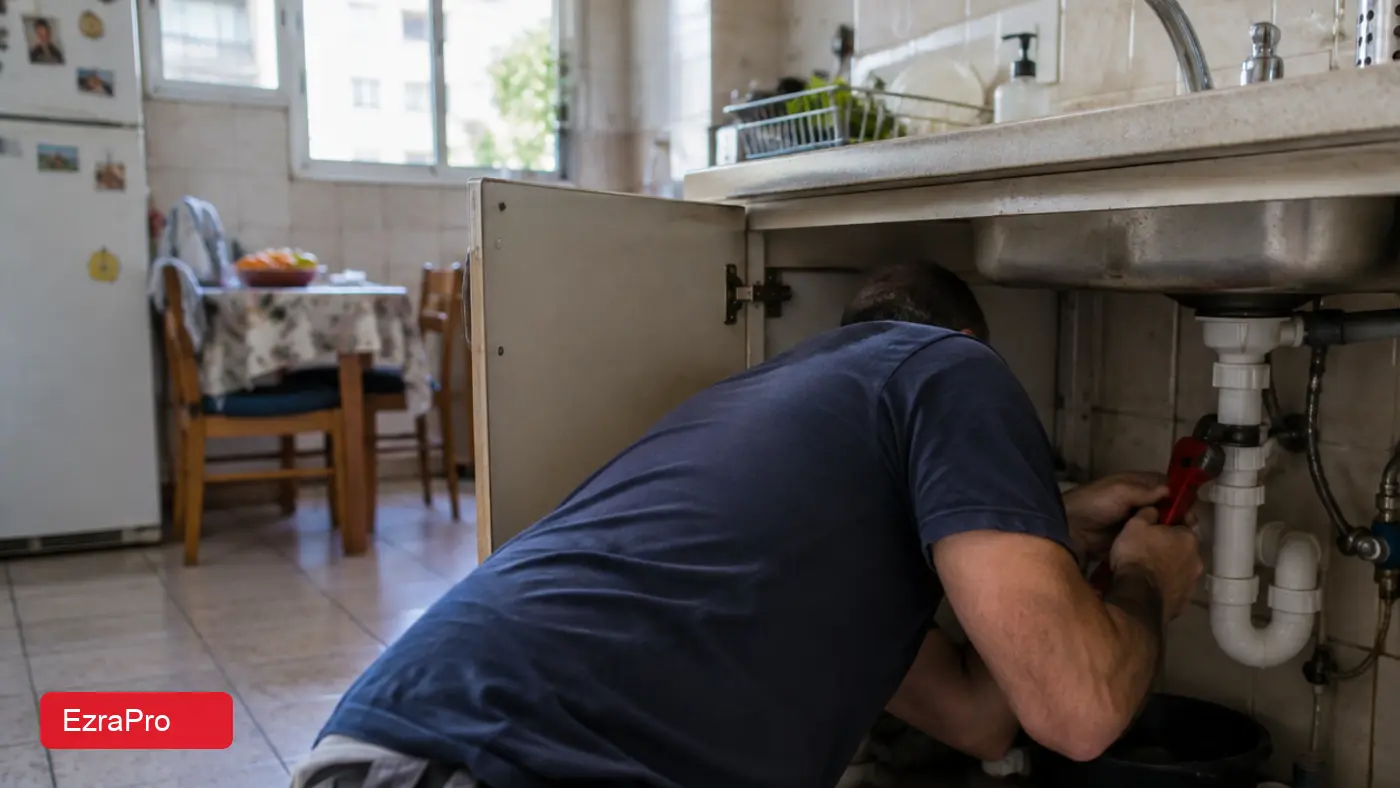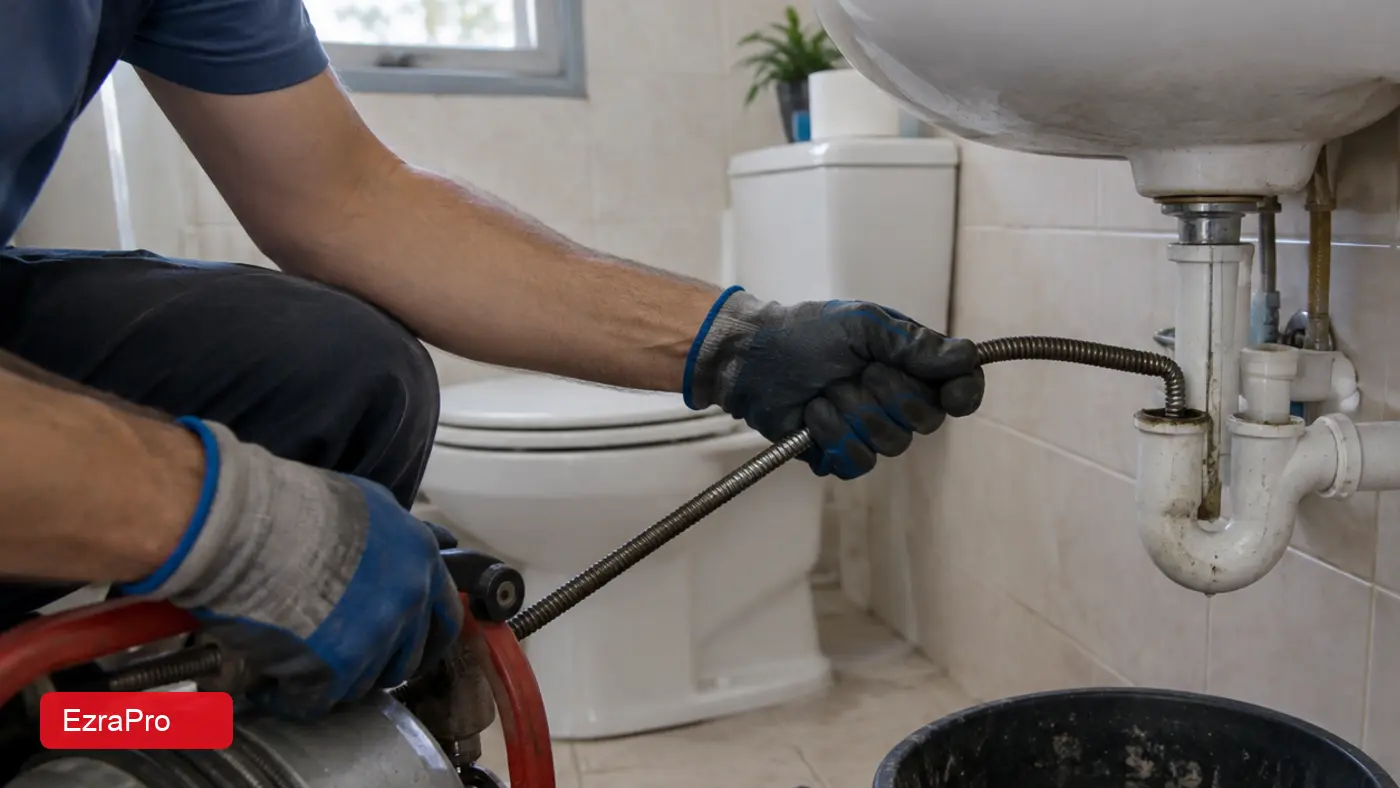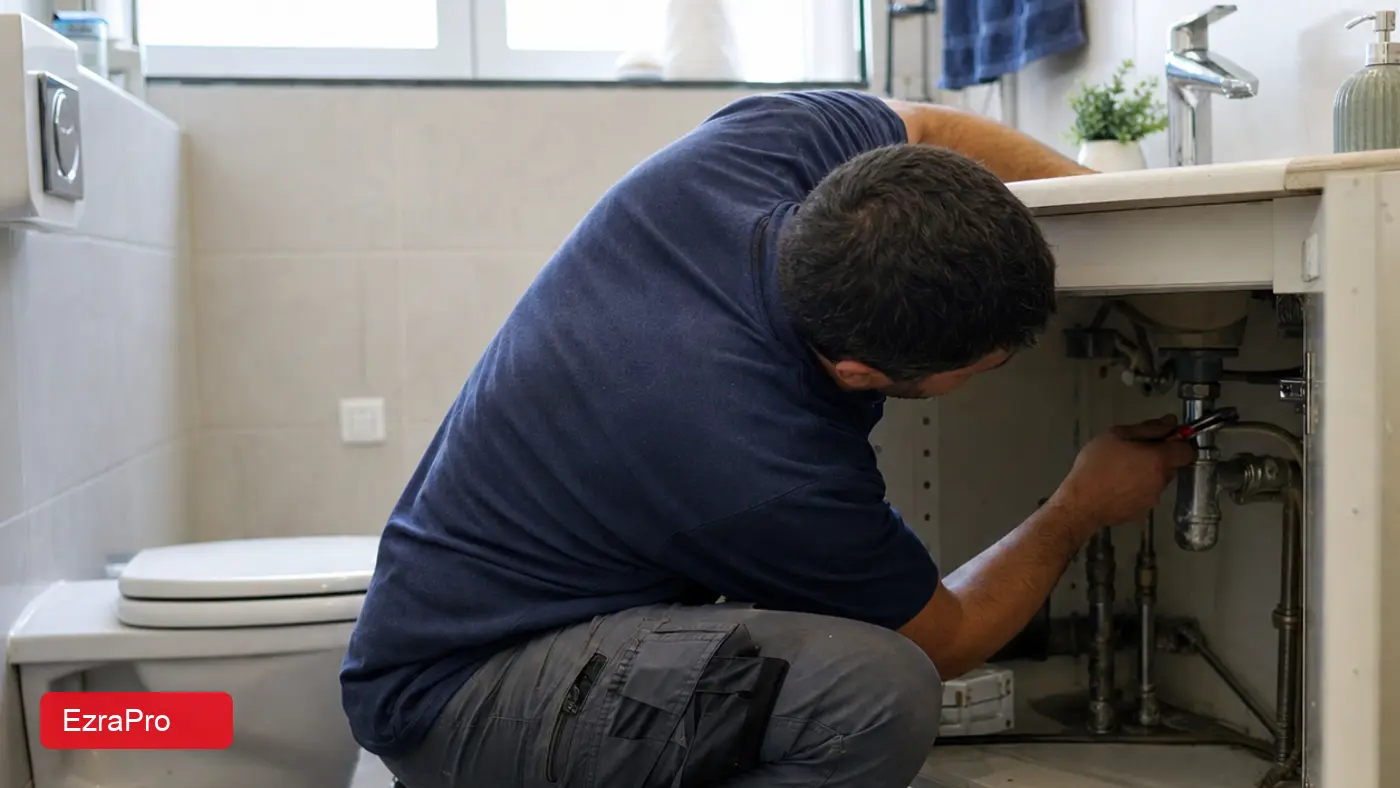
There is no single answer to “how much does a plumber cost?” because the request may cover anything from a blocked toilet to a hidden leak or a replacement of an awkwardly located valve. In Israel, the useful comparison is not just the first figure mentioned on the phone. It is the scope of the visit, what is included, and what may change after the plumber inspects the problem.
Related read: How Much Does It Cost to Clear a Bathroom Clog in Israel.
What a plumbing quote usually covers
A plumber normally needs to establish the location and cause of the fault before knowing the full scope of the job. A slow bathroom drain, water under a sink and dampness appearing on a wall can all be described as plumbing problems, but they call for different tools and levels of investigation. A photo or short video may be enough for an initial assessment, while concealed faults usually require an on-site check.
The quote can be affected by urgency, the time of the visit, travel, building access and the condition of the existing installation. Ask whether the call-out and diagnosis are included, whether parts are separate, and whether removal, refitting and cleaning are part of the service. In older Israeli apartments, it is also sensible to discuss fragile connections and the possibility that opening one fitting may reveal another problem.
- the diagnosis and inspection included
- access to the pipe, trap, cistern or shut-off valve
- replacement parts and consumables
- urgency, arrival time and site conditions
Common jobs and why their scope differs
For a blocked toilet, the key question is whether the obstruction is in the toilet itself or further along the waste line. Water backing up, repeated blockages, unusual smells or several affected drains may indicate a wider drainage issue. That can require a different method and more investigation than a local obstruction that responds to a straightforward tool.
Leak repairs also vary according to the source. A flexible hose, tap, trap, toilet cistern, wall connection and shared building pipe are not interchangeable jobs. Replacing an accessible component is different from locating a concealed leak, especially if tiles, cabinetry or a section of wall must be opened and restored.
For a small repair, send a close photo and a wider view of the area, mention the fixture type and say whether the water can be shut off. This does not replace an inspection, but it helps the plumber bring suitable tools and reduces the chance of a second visit caused by missing information.
- clearing a toilet, sink or shower blockage
- repairing a visible leak
- replacing a tap, trap, hose or cistern part
- investigating concealed leaks or low water pressure
Questions to ask before booking
Ask how the service is structured and where the boundaries are. Is the visit fixed as one task, charged by time, or followed by a quote after diagnosis? If a part is needed, clarify who sources it, whether an approved alternative can be used, and whether extra work must be authorised before it starts.
For an urgent call, describe the symptoms precisely and say whether another flat or a shared area is affected. If water is actively flowing, shut it off if you can do so safely and locate the relevant valve. Renters and owners in apartment buildings should also confirm who is responsible for approval and access to shared pipework.
- send photos and describe when the fault began
- mention the floor, lift access and parking constraints
- ask for included and excluded tasks in writing
- agree how additional work will be approved
How to compare plumbers in Israel
Compare like with like: the same problem, the same access conditions and the same expected result. A useful quote explains what will be checked, which repair options may be possible, and when the plumber will stop for approval. Reviews are helpful, but look for experience with similar jobs and for clear communication rather than relying on a generic rating alone.
Before the plumber leaves, test the repair: run water, check the drain, inspect joints and look for fresh moisture. Keep a note of any parts replaced and any limitation that remains. If the work involves a building riser or shared drainage, make sure responsibility for follow-up with the property owner or building committee is clear.
For a comparison with another home-service category, see our guide to choosing an electrician in Israel: How to choose an electrician in Israel. The same principle applies: a clear scope makes it easier to compare providers and avoid agreeing to work you did not request.
- compare the same defined scope
- check who provides parts and removes waste
- approve changes before extra work begins
- test drainage, shut-off points and joints at handover