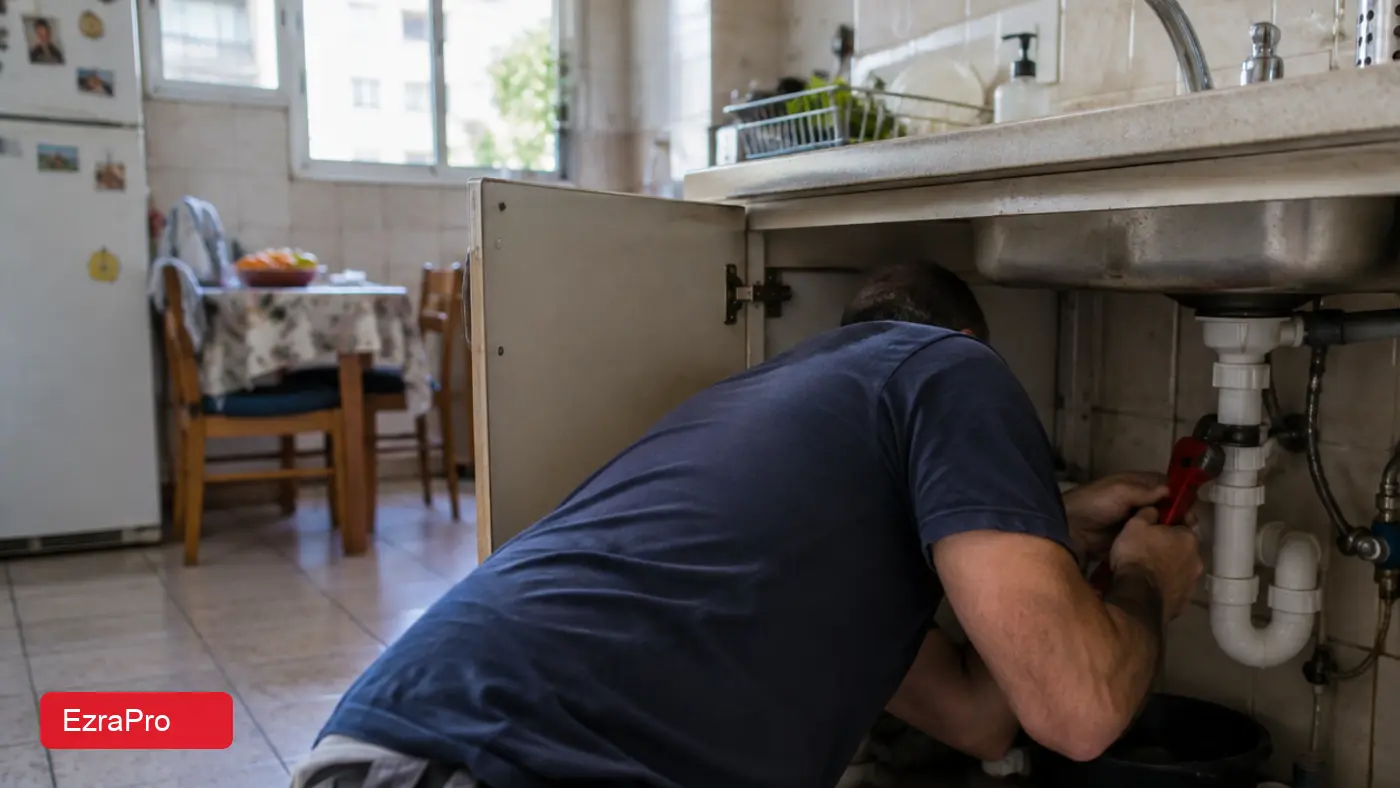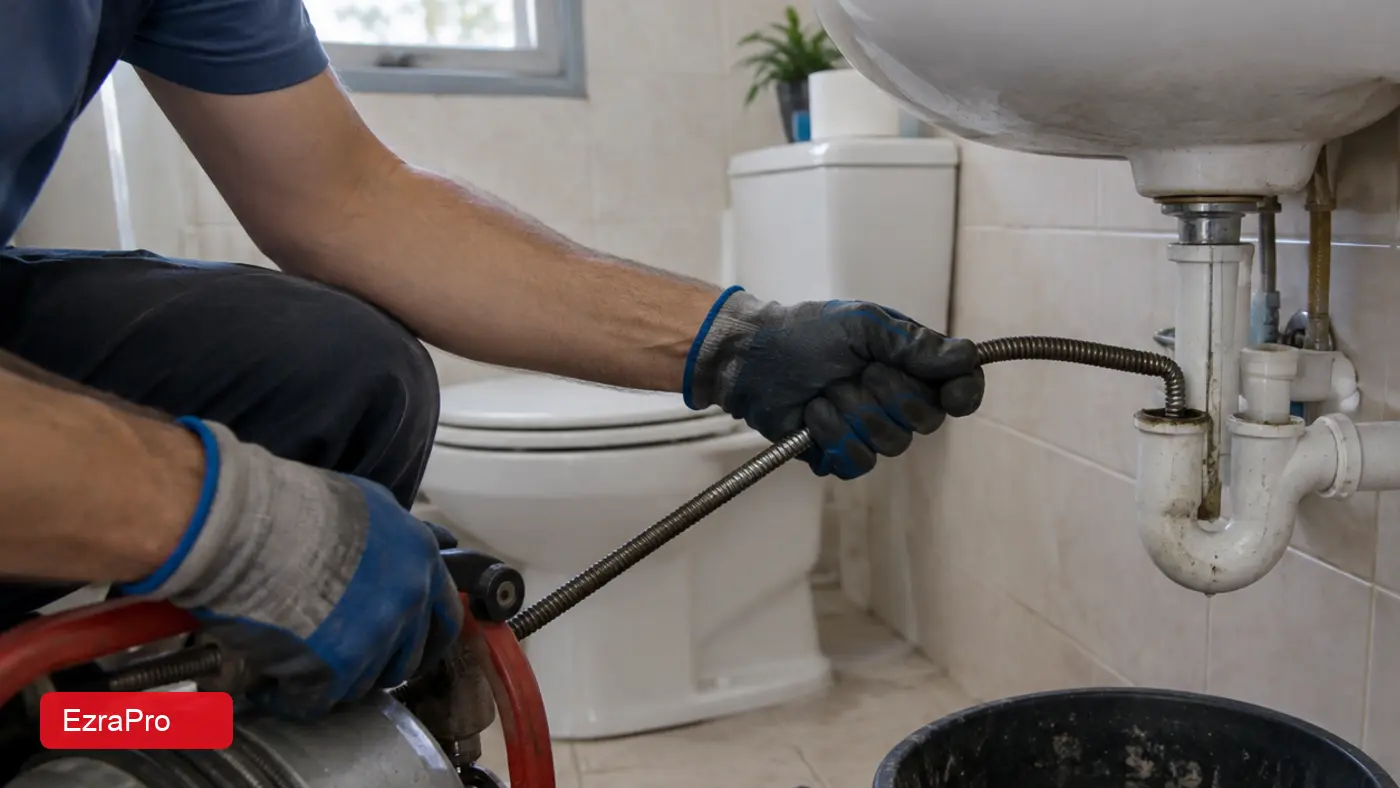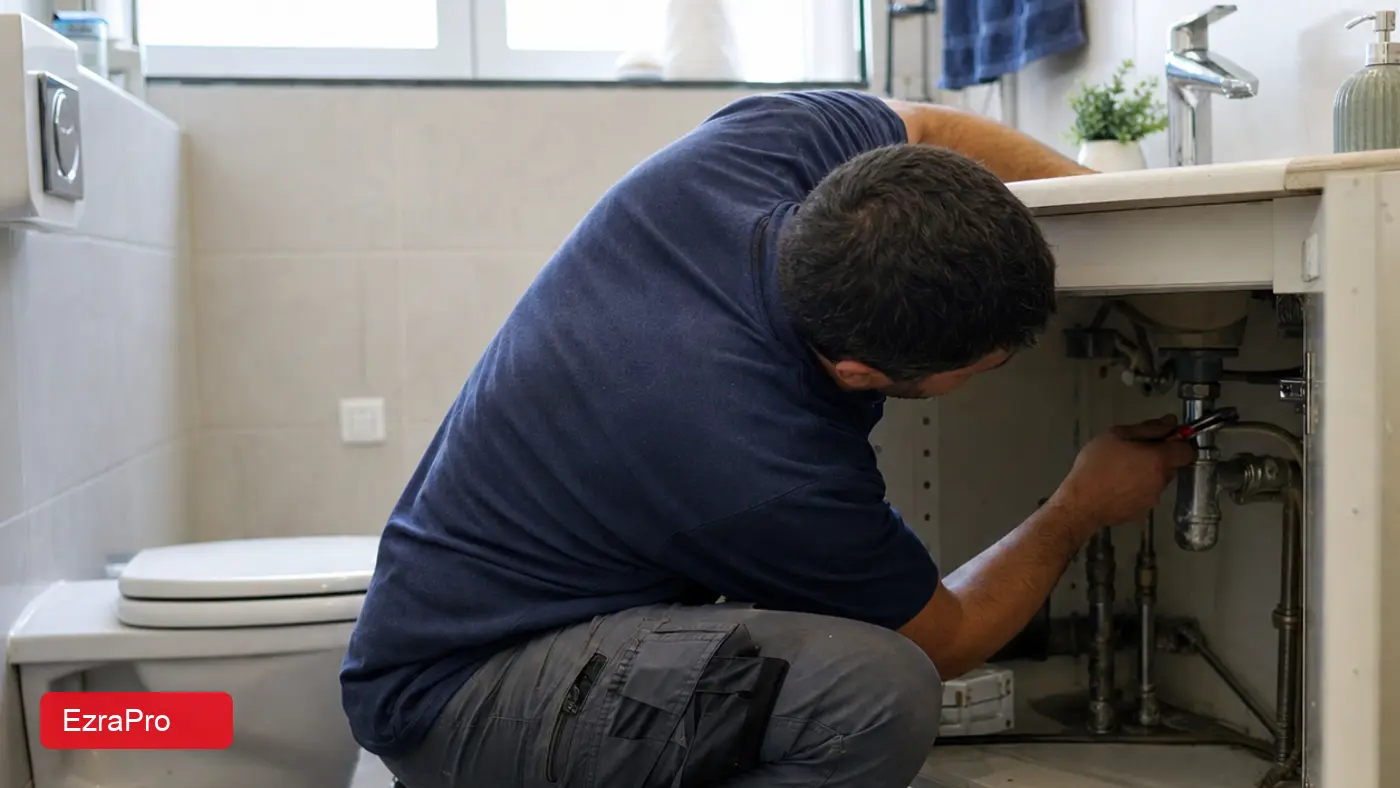
“How much does plumbing for an apartment cost?” is not a question that can be answered reliably from floor area alone. One home may need a single fixture connection, while another needs new water and drainage runs, concealed pipework and coordination with the renovation team. A useful quote starts with a clear scope, identifies the materials and states which tasks belong to other trades.
Related read: how plumber quotes are built in Israel.
What a full apartment plumbing service may include
A turnkey plumbing brief often starts with a site visit and a layout of water and drainage points. The plumber may review the positions of toilets, showers, baths, basins, washing machines, dishwashers and other appliances. If the layout is changing, the plan should also show pipe routes, connection heights, drainage falls and access points for future maintenance.
The installation stage may include removing old connections, fitting new pipes and valves, installing traps and drains, connecting fixtures and testing the system. In an Israeli apartment renovation, clarify whether chasing walls, opening floors, removing waste, closing openings and replacing tiles are included. “Full service” has no universal scope unless the individual tasks are written down.
Some quotes also mention a water heater connection, filters, a pressure regulator or leak-protection equipment. These are different solutions and are not automatically needed in every property. Ask what each item does, where it will be installed and whether it can still be reached after cabinets, tiles or plaster are completed.
- water and drainage layout
- removal and installation of pipework
- fixture and appliance connections
- leak and function testing
What shapes the quote
Access is one of the biggest practical factors. Replacing an exposed connection under a sink is a different job from routing a line inside a wall, floor or service shaft. The condition of existing pipes, the ability to shut off water, the location of shared risers and the need to remove finishes all affect labour, sequencing and coordination.
Materials should be visible as a separate part of the proposal. Ask whether pipes, fittings, isolation valves, traps, seals, insulation and other consumables are included, and specify the actual fixtures where possible. A selected wall-hung toilet, tap or basin can have installation requirements that change the connection layout, so product models should be confirmed before work begins.
In a renovation, the plumber may need to work around a tiler, electrician, kitchen installer and cabinet fitter. The quote should state who handles each chase, opening, waterproofing task, tile repair and clean-up. Clear boundaries matter because a plumbing job can be technically complete while the surrounding finish is still another contractor’s responsibility.
- access to pipes and connection points
- route length and installation method
- chosen fixtures and materials
- coordination with other trades
How to compare plumbing proposals
Give every plumber the same information: a plan or measurements, photos of the existing condition, the number of wet rooms, a list of points and appliances, and the changes you want. Mention shared-building pipework, restricted access or suspected drainage issues at the start. For concealed or extensive work, an in-person inspection may be needed before a final proposal is possible.
A strong quote lists operations rather than using only a label such as “complete plumbing.” Check for removal, disposal, material supply, drilling or chasing, testing before closure, final connections and making good. Any additional work should be approved before it is carried out, with the reason and effect on the schedule recorded in writing.
Do not select an offer only because it is the shortest or least detailed. Missing lines may later become unexpected extras, especially for access, consumables, testing or surface repairs. Ask about experience with comparable Israeli apartments, who will return if a connection fails and what documentation or photos will be provided for concealed work.
- send the same brief to each provider
- separate labour, materials and exclusions
- approve changes in writing
- check relevant experience and aftercare
Handover checks and avoiding future problems
Before work starts, photograph the existing walls, floors, cabinets, connections and fixtures. Agree where inspection openings will remain and which concealed sections must be tested before they are covered. Photos of pipe routes and connection points can be valuable later if a leak develops or another contractor needs to drill or modify the area.
At handover, run every completed water point and check drainage, leaks, odours, pressure and dripping inside cabinets. Inspect around the toilet, shower, basins, water heater and washing machine as applicable. Test more than one fixture at a time when practical, because a system can appear fine at one point while a connection elsewhere is under load.
If moisture or poor drainage appears, stop using the affected point and contact the installer promptly. Do not hide the area with sealant, tiles or cabinetry before the source is identified. Emergency leak repair, installation of one fixture and replacement of apartment infrastructure are different services, so their scopes and quote structures should not be treated as interchangeable.
- test concealed work before closing finishes
- run all completed points at handover
- keep photos and product details
- agree a clear defect-reporting process