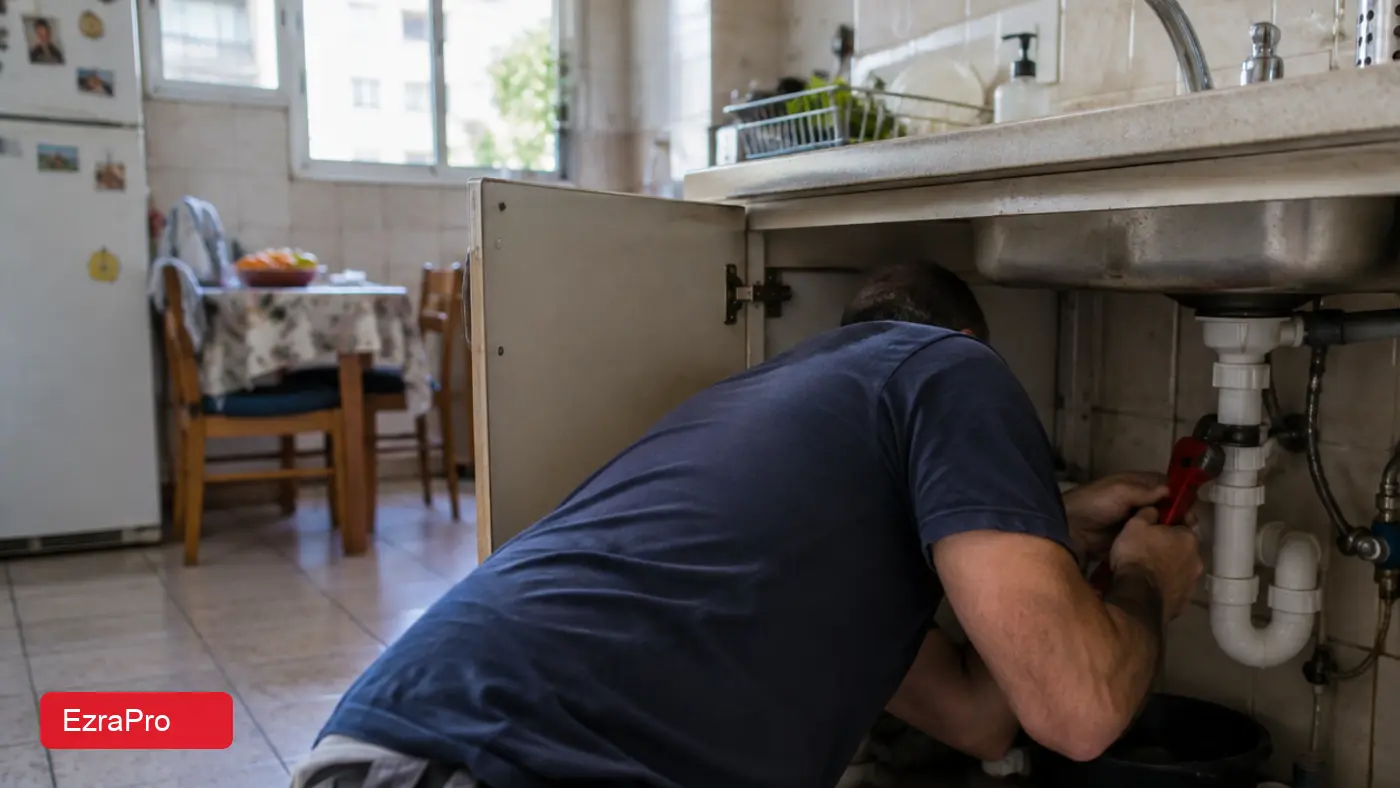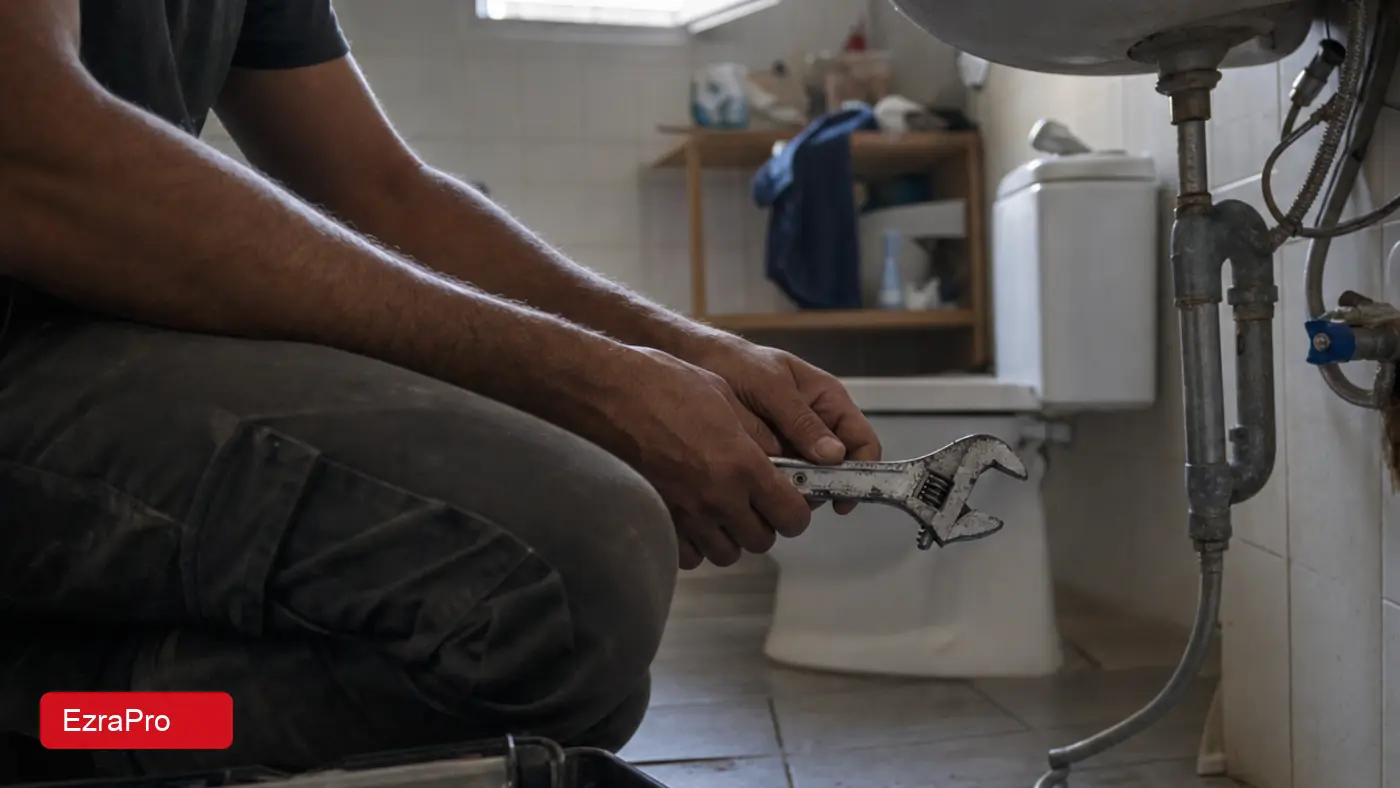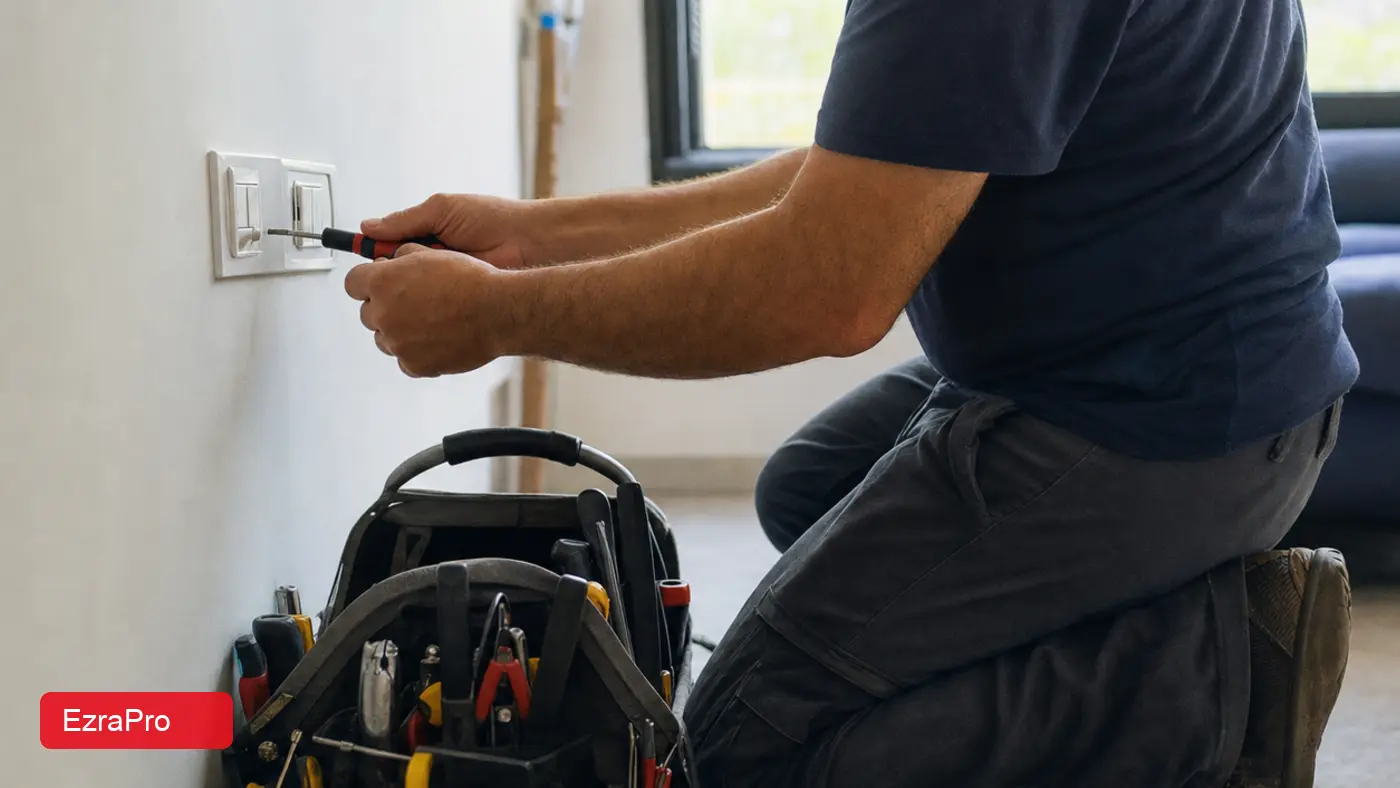
“How much does a handyman cost per hour?” is not a question with one universal answer. In Israel, the quote depends on what must be done, how predictable the job is, travel and access conditions, urgency, materials and whether the professional is charging for time, a task or a combination.
Related read: how furniture assembly quotes are shaped.
What an hourly handyman service really means
Hourly handyman is a service format rather than one regulated job category. It may cover putting up shelves, assembling furniture, replacing hardware, making a minor repair, resealing a small area or handling several maintenance tasks in one visit. Start with the result you need, not just the label “handyman”, because the same label can describe very different skills.
Some professionals calculate labour by time, while others quote a defined task or combine labour with a visit fee. Ask what the quoted time includes: inspection, preparation, travel, basic consumables and clean-up. If the work cannot be completed during the first visit, clarify how a follow-up visit and any newly required part will be approved.
- Describe the outcome, not only the symptom.
- Send photos, measurements and the location of the work.
- Ask for labour, call-out and materials to be separated.
What shapes a handyman quote in Israel
The biggest variable is often uncertainty. Drilling into a wall depends on the wall construction, hidden services, access and the required fixing. A fault may need diagnosis before repair, and a loose fitting may reveal damage behind it. A professional who asks for context is not necessarily making the job complicated; they may be trying to avoid an unsafe or incomplete quote.
Location and access matter as well. Parking, stairs, lift access, distance, building rules and an urgent or out-of-hours visit can affect the terms. The quote should also explain whether fasteners, sealant, replacement parts, delivery and disposal are included. Materials bought during the visit should not be added without a clear explanation and approval.
- Mention parking, stairs, lift access and building restrictions.
- Explain whether you have the required parts or tools.
- Agree how hidden problems and extra work will be handled.
How to compare quotes properly
A fair comparison uses the same brief for every professional. One quote may include a visit and basic consumables, while another may describe labour only. Ask each person to state the expected result, likely duration, any minimum chargeable period, what is excluded and what would trigger a revised quote.
Ask what happens if the job takes longer or a different repair is needed. A reliable professional explains the finding, offers options and asks for approval before extending the scope. For electrical work, verify that the person has the appropriate Israeli licence; for all work, discuss workmanship, handover, warranty terms and who is responsible for supplying parts.
- Compare the scope and exclusions, not only the headline rate.
- Keep the agreed brief in writing.
- Check relevant experience for the exact task.
Why Moscow and Minsk comparisons can mislead
People searching for Moscow or Minsk often have a familiar “man for an hour” model in mind. Direct comparison is unreliable because travel costs, labour markets, local materials, building access and customary service terms differ. The same description may include a different level of diagnosis, preparation or follow-up in each market.
For an Israeli home, use local quotes for the same clearly described task. Include the address, photos, wall or fixture details and the desired result. EzraPro can help you review a professional’s profile, relevant services and feedback before confirming the visit. The useful comparison is not a foreign hourly figure, but what the local visit actually delivers.
- Treat Moscow and Minsk searches as format references, not Israeli benchmarks.
- Compare local offers with an identical job description.
- Confirm language, arrival terms and extra-work approval before booking.