In Israel, the cost of freezing eggs is not necessarily the price of a single procedure. A treatment cycle may involve assessment, medication, monitoring, egg retrieval, laboratory work and storage, with some items billed separately. Coverage also depends on why fertility preservation is being considered and on the current rules of your health fund. Before starting, ask both the clinic and your kupat holim for a written breakdown of what is and is not included.
If you would rather not search on your own, describe the job in a short request.
What a clinic quote may include
Egg freezing generally involves planning and assessment, ovarian stimulation with monitoring, egg retrieval and laboratory freezing. A quote may list consultation, tests, medication, scans and blood tests during stimulation, theatre and anaesthesia, laboratory work and freezing as separate components. Ask the clinic to define the scope of the quoted treatment cycle rather than assuming that a headline offer covers every stage.
Check what happens if the plan changes or a cycle is cancelled before retrieval. Medication, extra tests, storage and later storage extensions may be handled separately. Ask for written terms covering cancellation, any transfer of fees to a later cycle, and charges that could arise if the treating doctor changes the protocol. A detailed breakdown makes it easier to compare like with like.
When a health fund may contribute
There is an important distinction between elective egg freezing for future planning and medical fertility preservation, such as preservation before treatment that may harm ovarian function. Medical circumstances may be considered under Israel’s health basket and health-fund arrangements, but eligibility depends on the clinical reason, supporting documents and the criteria in force at the time.
Do not assume that every cycle is covered or that public health coverage means automatic payment. Contact your kupat holim before booking and ask whether prior approval is needed, which clinics are recognised, and whether medication, laboratory work and storage are covered. Request the answer in writing and ask which medical records must be submitted. If you have supplementary insurance, check its terms separately; it is not a substitute for confirming eligibility with the fund.
Factors that can change the overall cost
The treatment plan can depend on medical history, test results, the medication protocol and how your body responds to stimulation. The number of monitoring visits and tests may vary. A clinic cannot promise in advance how many eggs will be retrieved or that one cycle will be enough; discuss expectations and clinical uncertainties with the fertility specialist.
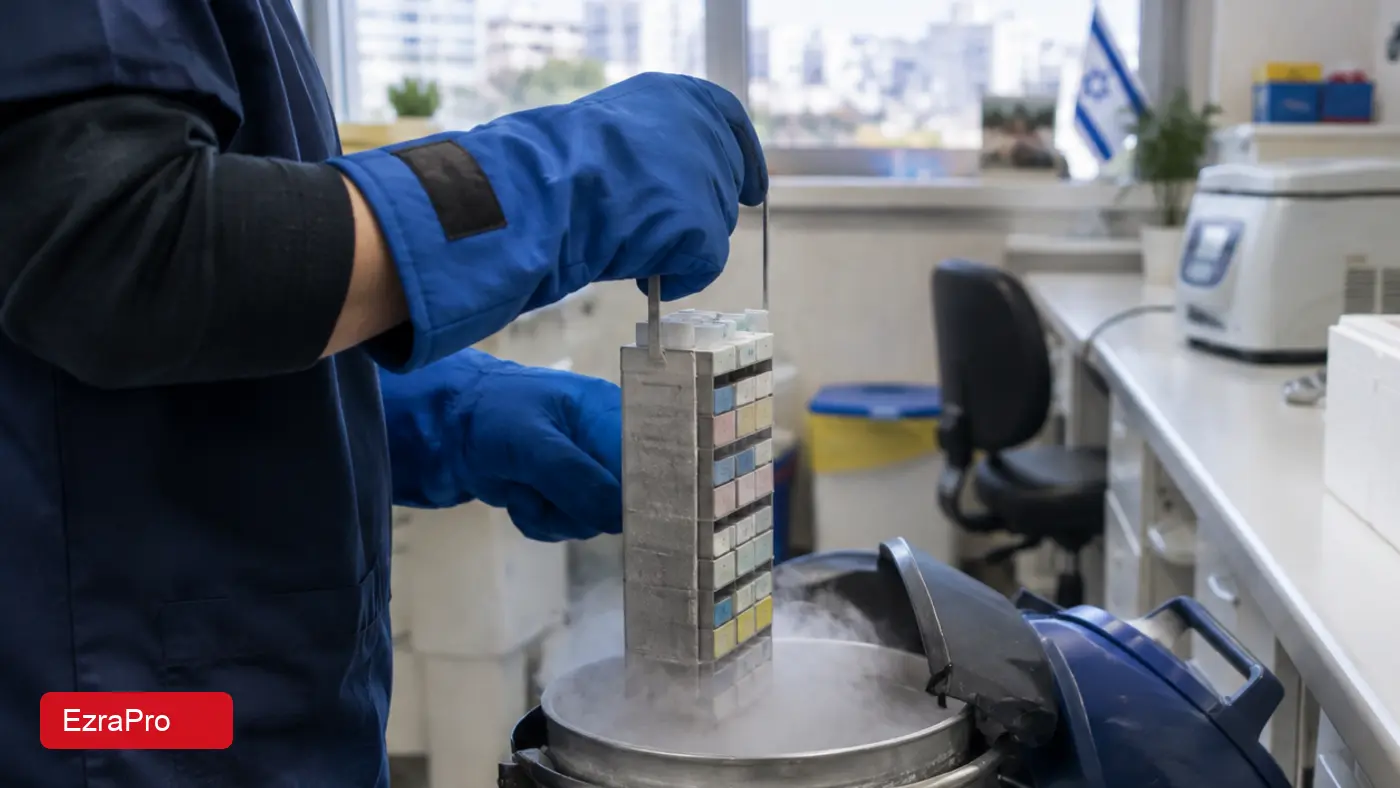
Storage is another item to clarify. Ask where the eggs will be stored, how ongoing storage is charged, how to renew the arrangement and what is required if you later move them to another clinic. Make sure the quote distinguishes retrieval, freezing and storage, and identifies any service that may be billed outside the quoted package. When comparing clinics, compare the same set of services rather than just the advertised figure.
How to compare clinics before you start
Ask for a written treatment plan and itemised quote before beginning: pre-treatment tests, monitoring, medication, retrieval, anaesthesia, laboratory services, storage and cancellation terms. Find out who provides medical follow-up, whom to contact about side effects and who is responsible for the eggs while they are stored. If you are using a health-fund pathway, confirm directly with the fund that the clinic and treatment route are approved.
At the consultation, ask about risks, recovery after retrieval and the steps involved if you later want to use the eggs. Do not choose on the total figure alone: clear terms, accessible clinical support, storage arrangements and an explanation tailored to your medical situation matter too. A fertility specialist should advise whether treatment is appropriate and discuss the timing and protocol for your circumstances.