A bathroom fixture is only a good choice if it fits the room, the existing plumbing and the way people use the space. Measure first, check connection details, then compare maintenance and installation requirements. This approach is especially useful when choosing products for an existing Israeli apartment rather than planning from a blank shell.
Related read: plumber service costs in Israel.
Map the room before browsing products
Measure the available floor and wall space, then mark the door swing, water outlets, waste pipe and any shower screen. Include the room needed to stand at the basin, open vanity drawers and step in and out safely; the product’s listed width alone does not tell you whether the bathroom will feel workable. A simple sketch with measurements and clear photos of the walls and floor is a useful starting point.
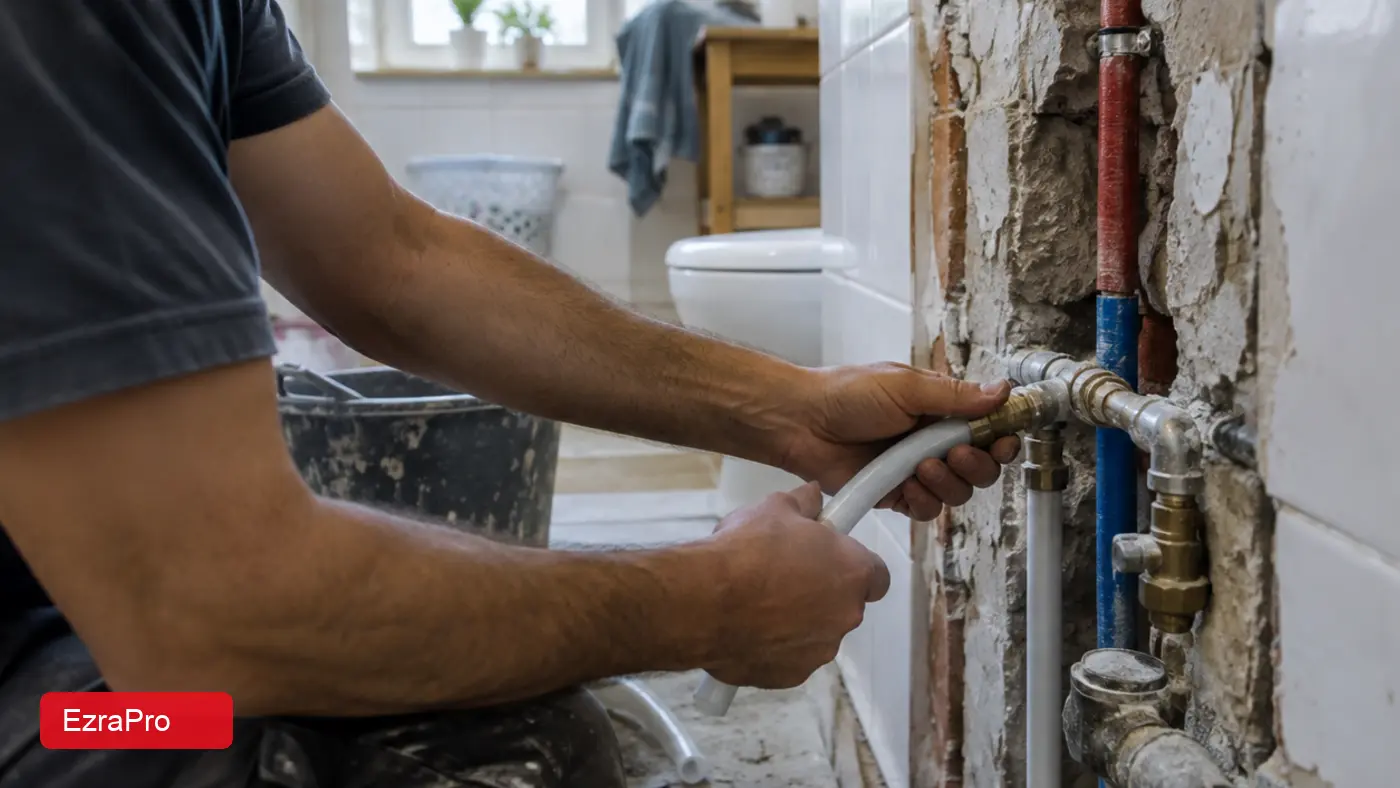
In an existing Israeli home, the position of the plumbing can narrow the options. Find out whether a fixture can use the current outlets and waste connection or whether pipework would need to move. Wall-hung fittings and concealed cisterns need particular planning: establish what sits behind the finish and how serviceable parts will remain accessible before committing to a model.
Choose for the household’s routine
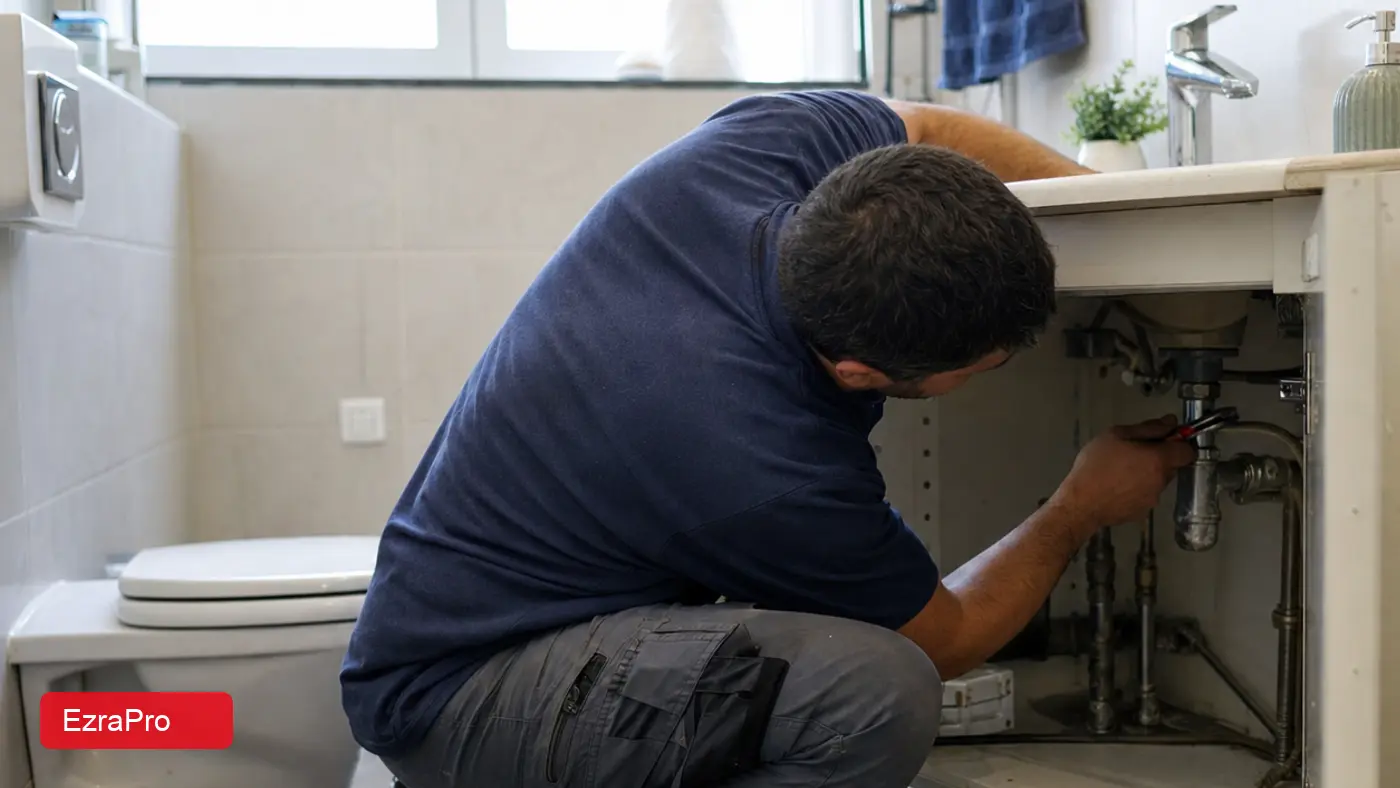
For a basin, compare bowl depth, width, rim shape and storage space together. A shallow bowl may splash, while an oversized basin can obstruct a doorway or make the room harder to move around in. Think about who uses the bathroom and what needs to stay within reach; check that drawers and cupboard doors can open once the basin is in place.
When selecting a toilet, consider floor-mounted and wall-hung designs, bowl shape, flushing arrangement and installation needs. A wall-hung toilet can leave more of the floor visible, but it requires a compatible support system and a plan for access to service components. For a shower or bath, weigh ease of entry, cleaning, storage and the household’s everyday habits rather than choosing by appearance alone.
Check tap and system compatibility
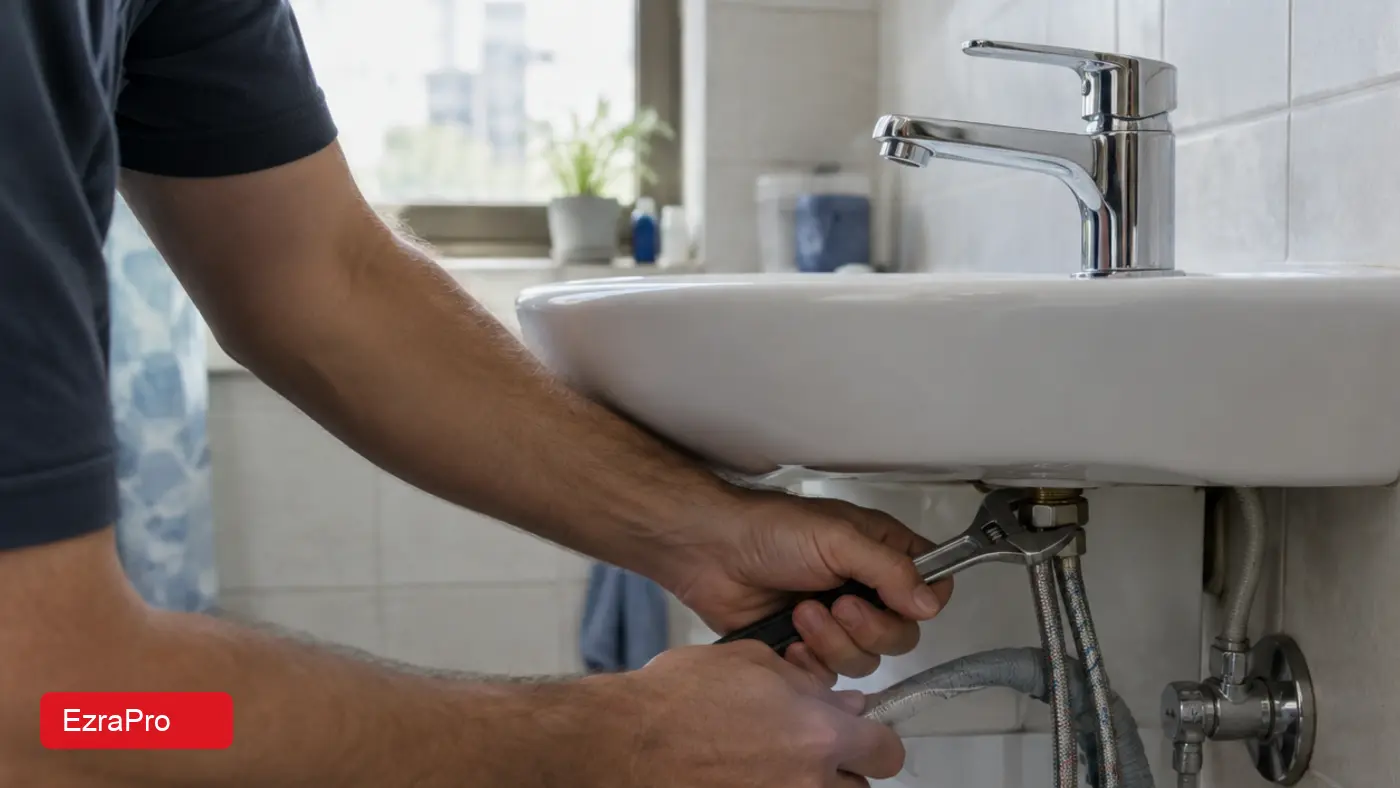
For a wall-mounted tap, confirm the outlet positions and spacing. For a basin tap, compare spout height with bowl depth so the water lands comfortably inside the basin. A shower set may combine a hand shower, overhead head, diverter or thermostatic control; confirm that the selected components work with one another and with the connections at the property.
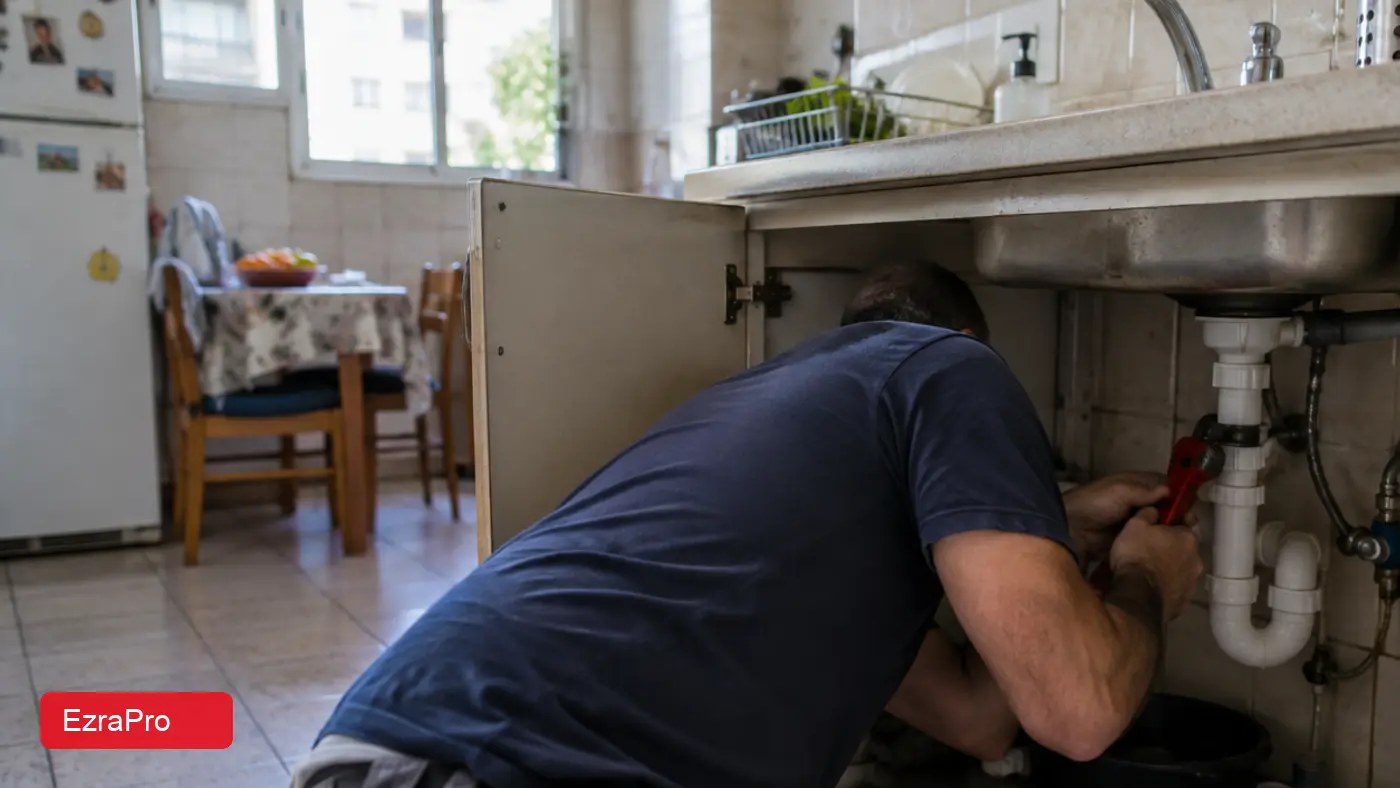
Do not assume that parts that look similar will fit together. Check the manufacturer’s installation drawing and what is included: the trap, flexible connectors, fixing parts and waste mechanism may not all be supplied. If you cannot identify the existing connection type or dimensions, ask a plumber to inspect them before ordering. Resolving a mismatch in advance is simpler than discovering it during installation.
Think about cleaning and future repairs
Compare finish quality, the suitability of working parts for daily use and the availability of replacement components. With a tap, for example, it is useful to know whether internal parts can be serviced rather than judging only the body and finish. For a basin or toilet, look at whether the surfaces and joints are straightforward to clean and whether awkward gaps will make routine care difficult.
For concealed systems, ask how a plumber will reach components that may need maintenance. Keep the product instructions, model details and purchase documents; these can help identify a compatible replacement later. Check the warranty terms too, including who is responsible for the product and who is responsible for installation, and what conditions apply to servicing.
Confirm installation before placing the order
Share the room measurements, photos and product choices with the plumber before ordering. Ask them to confirm compatibility with the outlets, waste connection and wall construction, and to identify any work beyond fitting the fixtures. If pipework will be moved or a system concealed, agree on the final positions before the wall is closed and keep a record of the work behind the finish.
Clarify what the installation proposal covers. Removing old fixtures, connecting new ones, sealing, checking for leaks and taking away removed items may be treated as separate tasks, so agree on the scope and sequence before work begins. At handover, test the taps, flush and drainage, and check accessible connections for leaks. For more on how plumbing work is scoped, see our guide to plumber service costs in Israel.