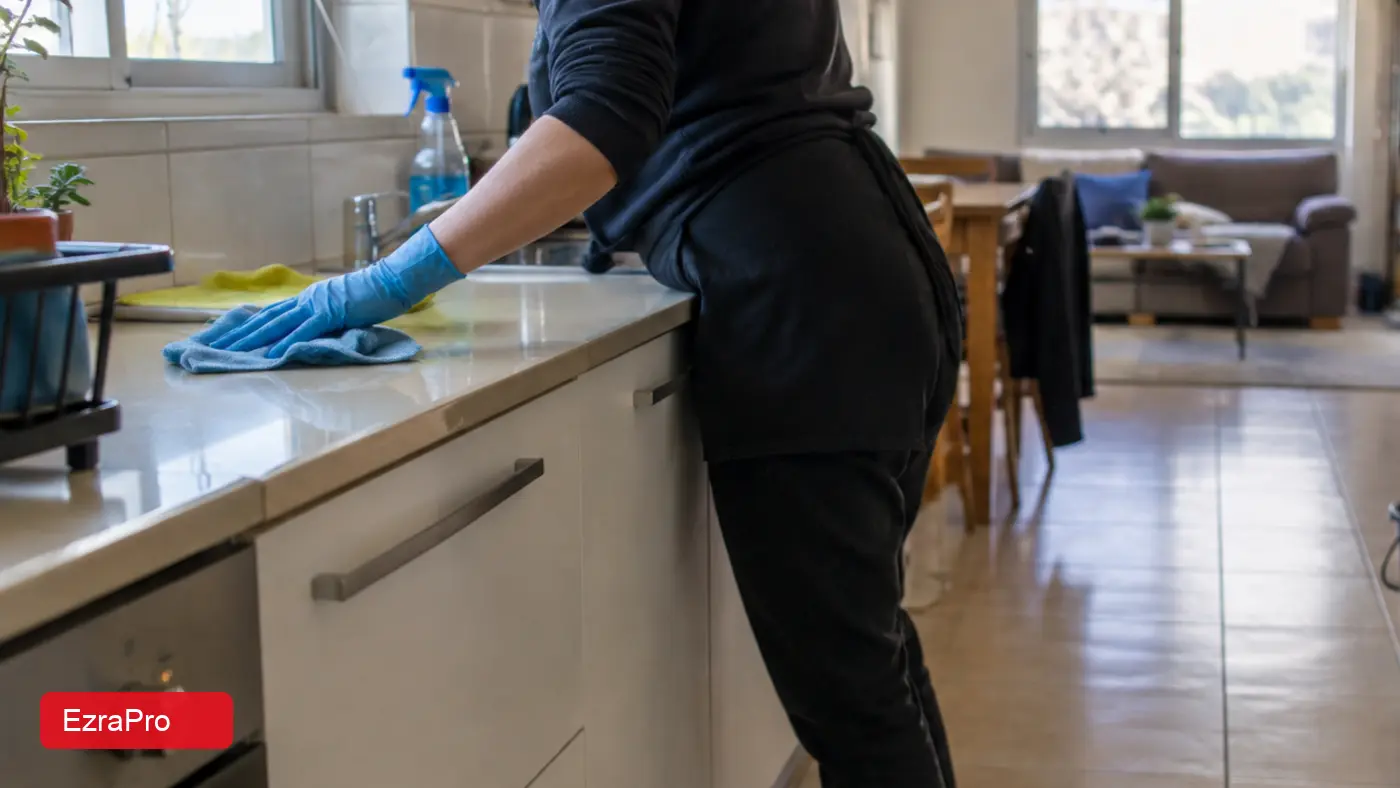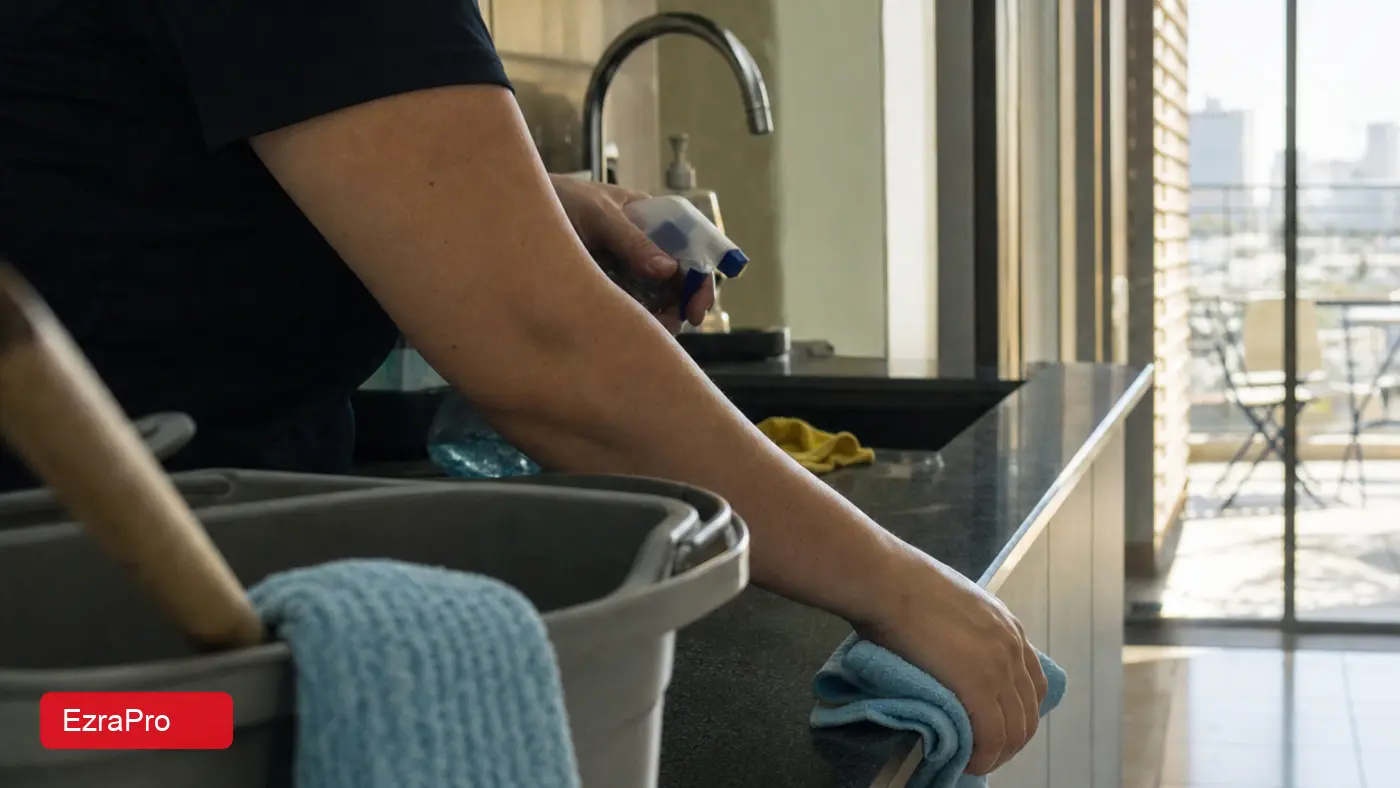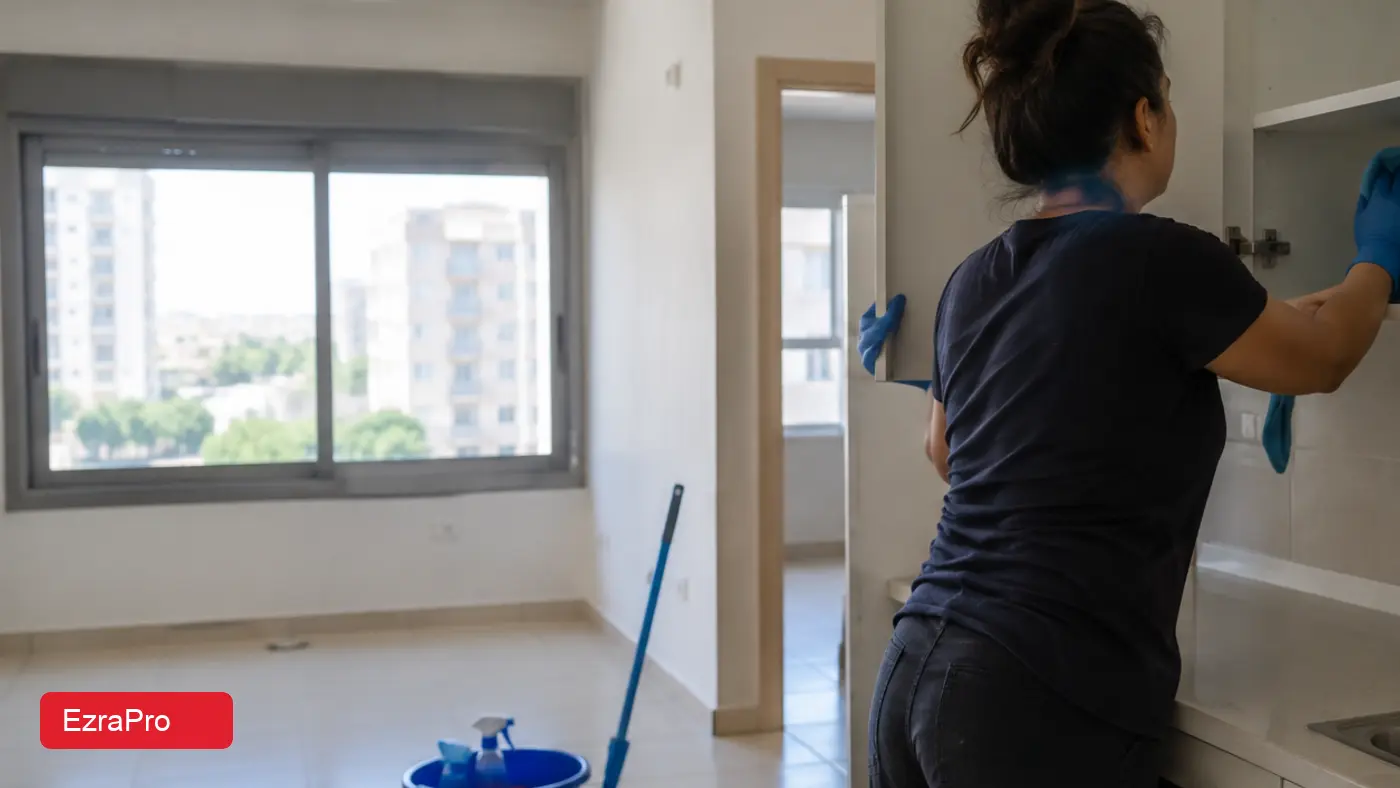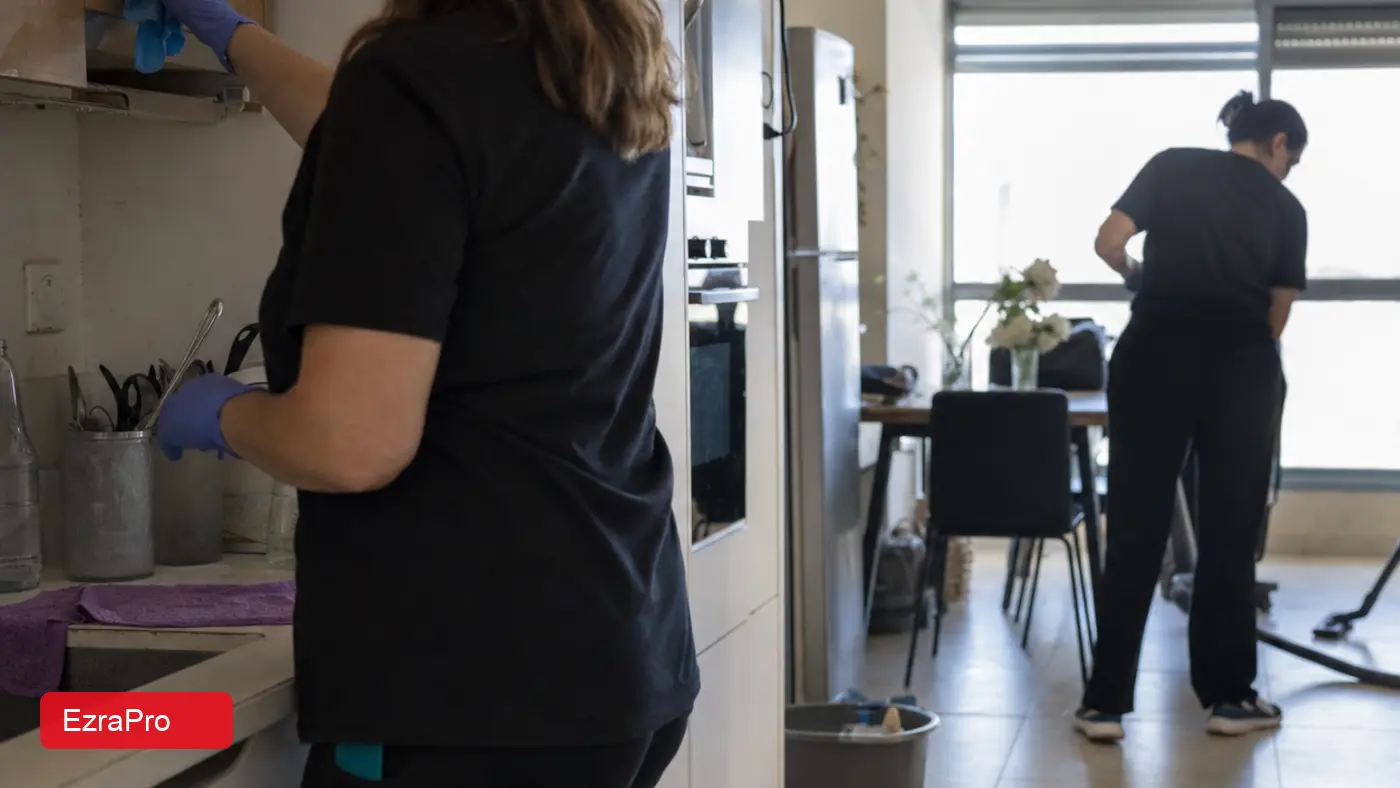
A search for the price of deep-cleaning an apartment will not produce one reliable answer for every home. Cleaners build a quote around the property’s condition, the requested tasks, access and equipment. The useful comparison is therefore the scope of work behind the quote, not just the final figure.
Related read: what affects the cost of deep-cleaning an apartment.
What “deep cleaning” usually means
Deep cleaning is not simply a routine visit with extra hours. It normally covers a broader set of surfaces in the kitchen, bathrooms, bedrooms and living areas, including dust, grease, limescale and build-up in places that are skipped during maintenance cleaning. There is no single universal checklist, so the service should be defined before the appointment.
A quote may cover floors, skirting boards, doors, cabinet fronts, sills, kitchen surfaces and sanitaryware. Windows, balcony areas, the inside of cupboards, an oven, refrigerator, blinds, upholstery or post-renovation dust may be treated as separate tasks. If one of these matters, list it rather than assuming that “deep clean” includes everything.
What shapes an Israeli apartment quote
Floor area is only one input. The number of rooms and bathrooms, furniture density, kitchen condition, pet hair, limescale, grease, mould and long-neglected areas all affect the amount of work. Two apartments with a similar layout can require very different time, products and staffing.
Access also matters: the floor, lift, parking, distance, ability to bring equipment inside, and access to water and electricity. Ask whether the cleaner supplies a vacuum, ladder, products and consumables. In some Israeli buildings, entry codes or coordination with the building committee may need to be arranged in advance.
A move-out clean, post-renovation clean, short-notice booking or work on a particular day can change the quote. A careful provider should explain which added task changes the scope instead of making a vague promise that everything is included.
How to compare quotes fairly
Send several providers photos of the kitchen, bathrooms and the worst areas. Include the apartment size, room count, pets, when the last deep clean took place and what result you expect. This gives providers comparable information and makes differences between their proposals easier to understand.
Ask for a room-by-room list of included surfaces. Clarify windows, appliances, balcony areas, cupboard interiors, limescale treatment and removal of collected rubbish. Mention allergies, young children, pets and delicate stone, wood or coated surfaces that should not be treated with harsh chemicals.
Do not choose only by the shortest description. Ask how many cleaners will attend, who supplies equipment, how extra tasks are approved and what happens if a surface cannot be cleaned safely. A guide to regular apartment cleaning costs in Israel can help explain the broader market, but routine cleaning and deep cleaning should not be compared as identical services.
Checking the result and protecting your belongings
Before work starts, point out sensitive areas and put away documents, jewellery and fragile objects. If furniture may be moved, agree which items can be handled. At the end, inspect the kitchen, bathrooms, floors, skirting boards and any special tasks in good daylight while the agreed scope is still clear.
If an agreed task was missed, describe the issue precisely: name the room, surface and omitted action. Ask for a correction based on the original agreement instead of making only a general complaint. If furniture or a finish was damaged, take photographs, keep the messages and note which product was used so the discussion stays factual.
Look for relevant reviews, experience with deep cleaning and clear communication before the visit. If the result is poor or property is damaged, a written record and a calm, specific request are more useful than an argument at the door. The same principle applies whether the booking is made directly or through a marketplace.