If you are trying to understand the cost of a deep clean for an apartment in Israel, the key point is this: cleaners do not price it by room count alone. A deep clean usually means more time in the kitchen and bathrooms, more detail work, more buildup removal, and more attention to areas that are skipped in routine cleaning. The quote depends on scope, condition, access, and expectations much more than on a simple label like one-bedroom or three-room flat.
Related read: what drives the price of a home clean.
What a deep clean usually includes
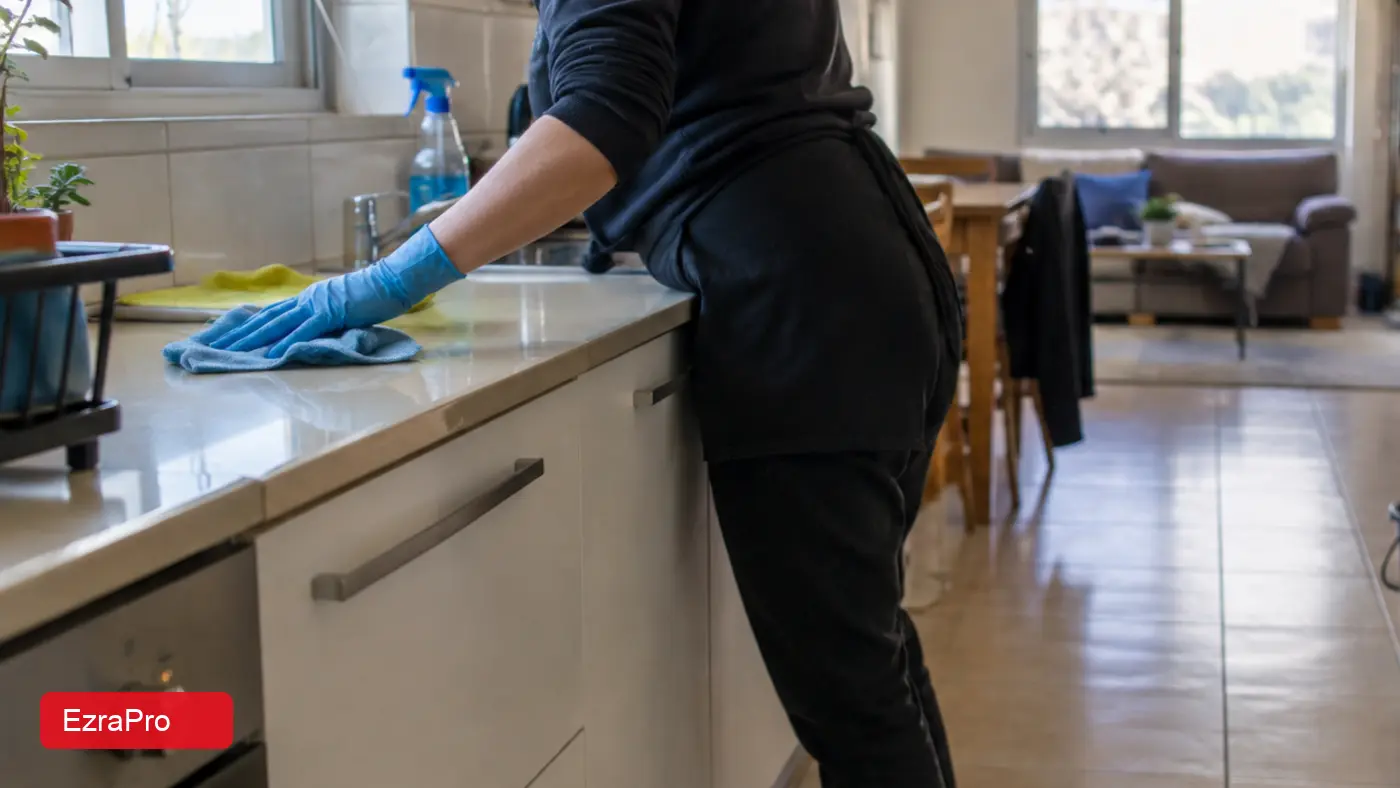
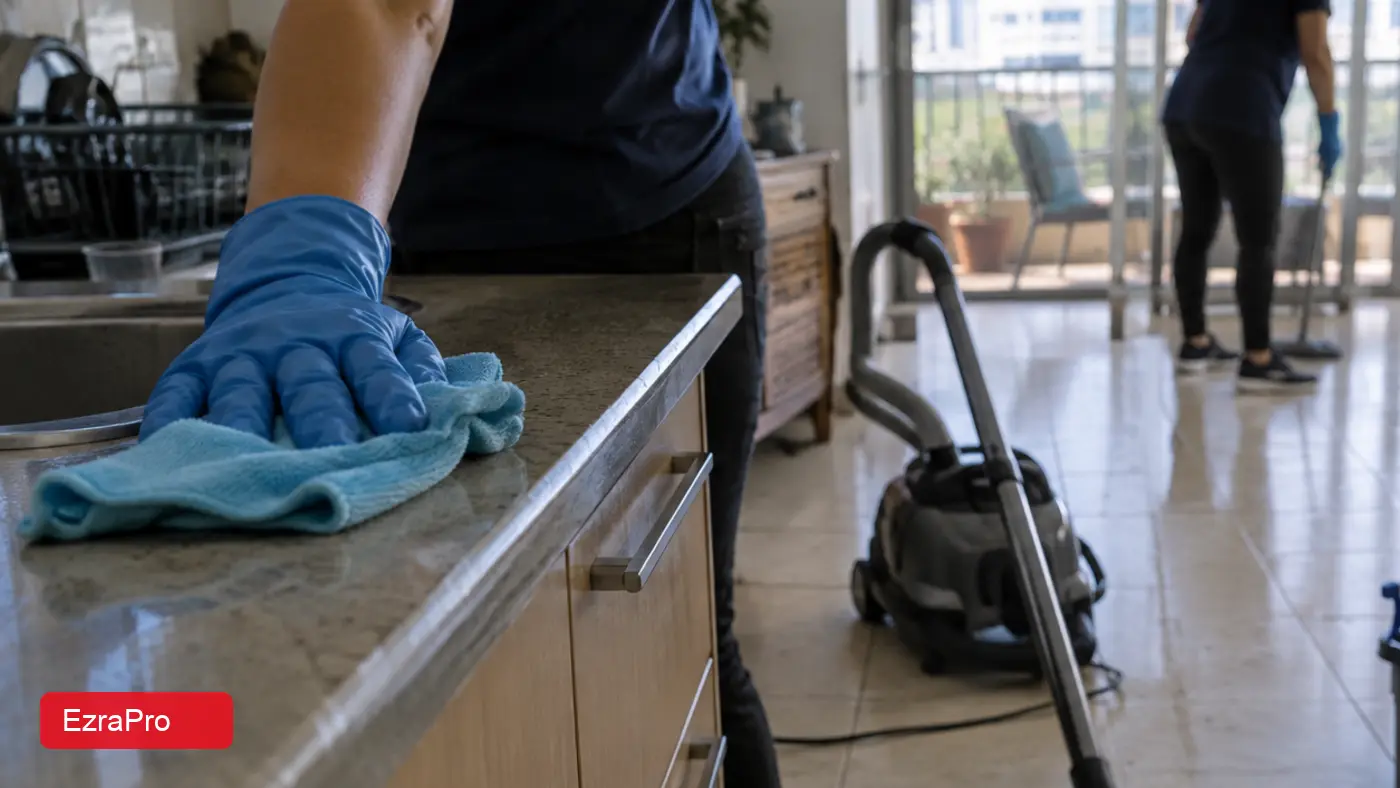
A deep clean is broader than a standard maintenance visit. Clients usually expect detailed work on kitchen surfaces, cabinet fronts, grease-prone areas, sinks, taps, bathroom fixtures, limescale buildup, skirting boards, switches, doors, window sills, and dust in places that are easy to ignore during weekly cleaning.
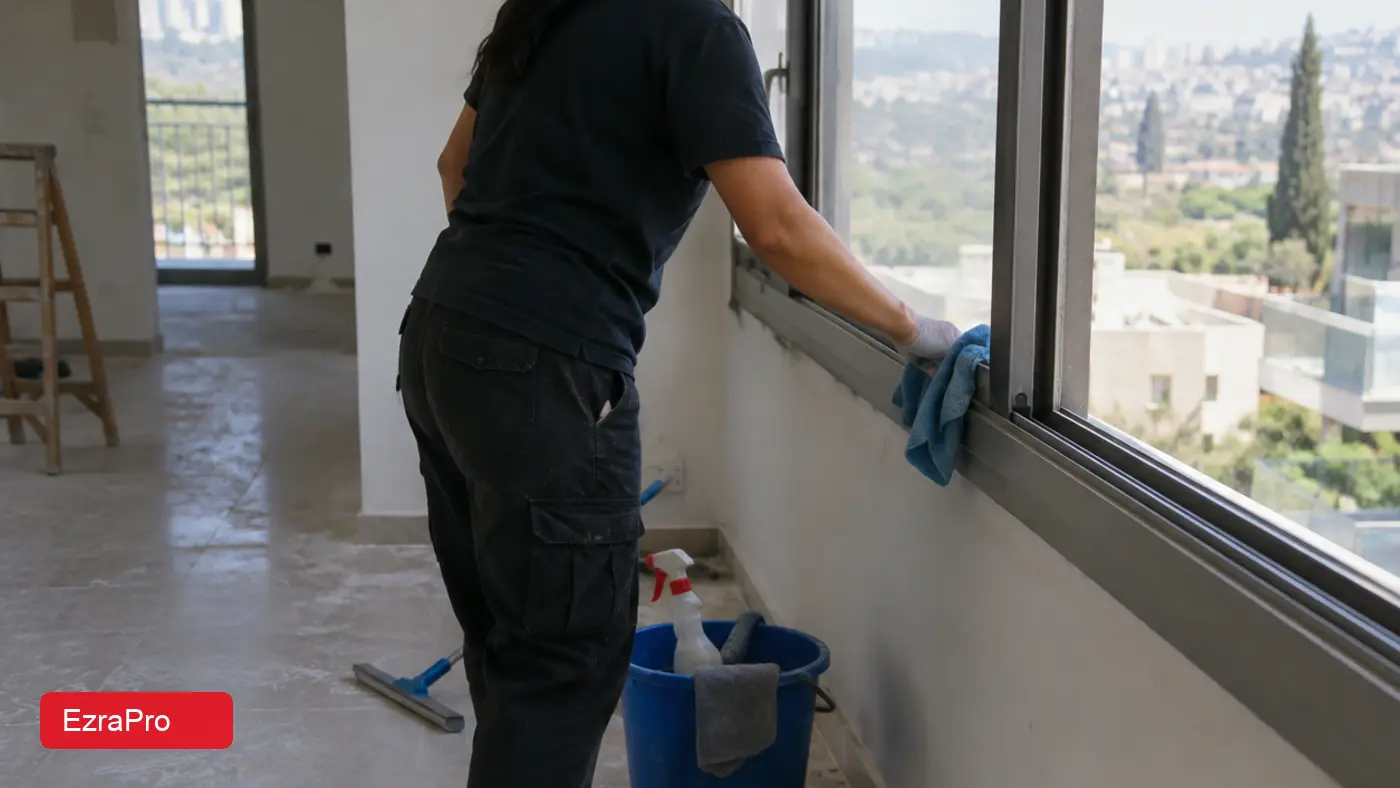
That said, the exact scope varies from one provider to another. Some include the inside of the oven, fridge, or cabinets, while others treat those as add-ons. Windows, shutters, balconies, wall washing, upholstery cleaning, and post-renovation cleanup may also sit outside the base package, even when customers assume they are part of one big reset.
This is why a one-room apartment, a two-room apartment, and a three-room apartment cannot be compared by room count alone. Two homes with similar floor area may require very different amounts of labour depending on layout, furnishing, and how intensively the space has been used.
- Ask for a room-by-room task list, not just a service label
- Confirm which items are included and which are optional
- Do not assume windows or appliance interiors are automatic
What actually drives the quote
The first driver is size, but size is only the beginning. More floor area usually means more surfaces, more fixtures, more windows, and more time. Yet layout matters too: open shelving, glass partitions, many shutters, narrow utility areas, and a complex kitchen can make a modest apartment more demanding than a larger but simpler one.
The second driver is the starting condition. Heavy grease, stubborn limescale, pet hair, mould marks, long-neglected dust, or a home that has not had a proper reset in a long time all increase the workload. Deep cleaning often means repeated passes over the same area, more careful product choice, and slower manual work to avoid damage while still getting a visible result.
The third driver is logistics. Parking, lift access, building entry, timing restrictions, urgent scheduling, and whether the clean is tied to move-in, move-out, or handover can all affect how the job is planned. A cluttered apartment also takes longer because cleaners need to work around personal belongings and clear surfaces as they go.
- Room count is a rough clue, not a reliable pricing method
- Condition can matter more than floor area
- Access and scheduling affect the workload too
Why similar apartments get different estimates
People often search for the cost of a deep clean for a one-bedroom or two-bedroom apartment expecting a standard answer. In reality, one apartment may be nearly empty and easy to access, while another has dense furnishing, lots of textiles, a heavily used kitchen, and bathrooms with visible buildup. From a cleaner’s perspective, those are very different jobs.
The same applies to larger homes. A compact apartment packed with storage, mirrors, glass, decorative items, and narrow cleaning gaps may take longer than a larger minimalist flat. The number of details often matters more than the headline size: cabinet fronts, shelves, internal surfaces, fixtures, shower screens, and hard-to-reach dust traps all add time.
This is why serious providers ask follow-up questions or request photos and short videos. It is not a sales tactic; it is how they avoid underestimating the work and how you avoid disappointment on the day. Clear information upfront leads to a cleaner brief and a more realistic quote.
- Photos of the kitchen, bathrooms, and windows help a lot
- Detail density often matters more than room count
- Clarify disputed areas before booking
How to compare offers without confusion
The best way to compare providers is to compare scope, not just the final number. Ask whether the oven and fridge interior are included, whether windows are cleaned on both sides where accessible, what is covered in the bathrooms, whether light furniture is moved, how many cleaners arrive, and how long the visit usually takes. That gives you a like-for-like basis.
It also helps to disclose anything that changes the complexity of the job: pets, renovation dust, hard water marks, many glass surfaces, high windows, no parking, building access codes, or strict timing. The more accurate your brief, the lower the chance of friction, surprise add-ons, or mismatched expectations.
If the apartment is being prepared for move-in, move-out, or landlord handover, define the goal clearly. Some clients want a fresh overall reset, while others care most about kitchen degreasing, bathroom descaling, and internal surfaces. A clear target helps you book the right level of service instead of paying for tasks you do not need.
- Request a written checklist before confirming
- Send photos of problem areas in advance
- Agree on exclusions as well as inclusions