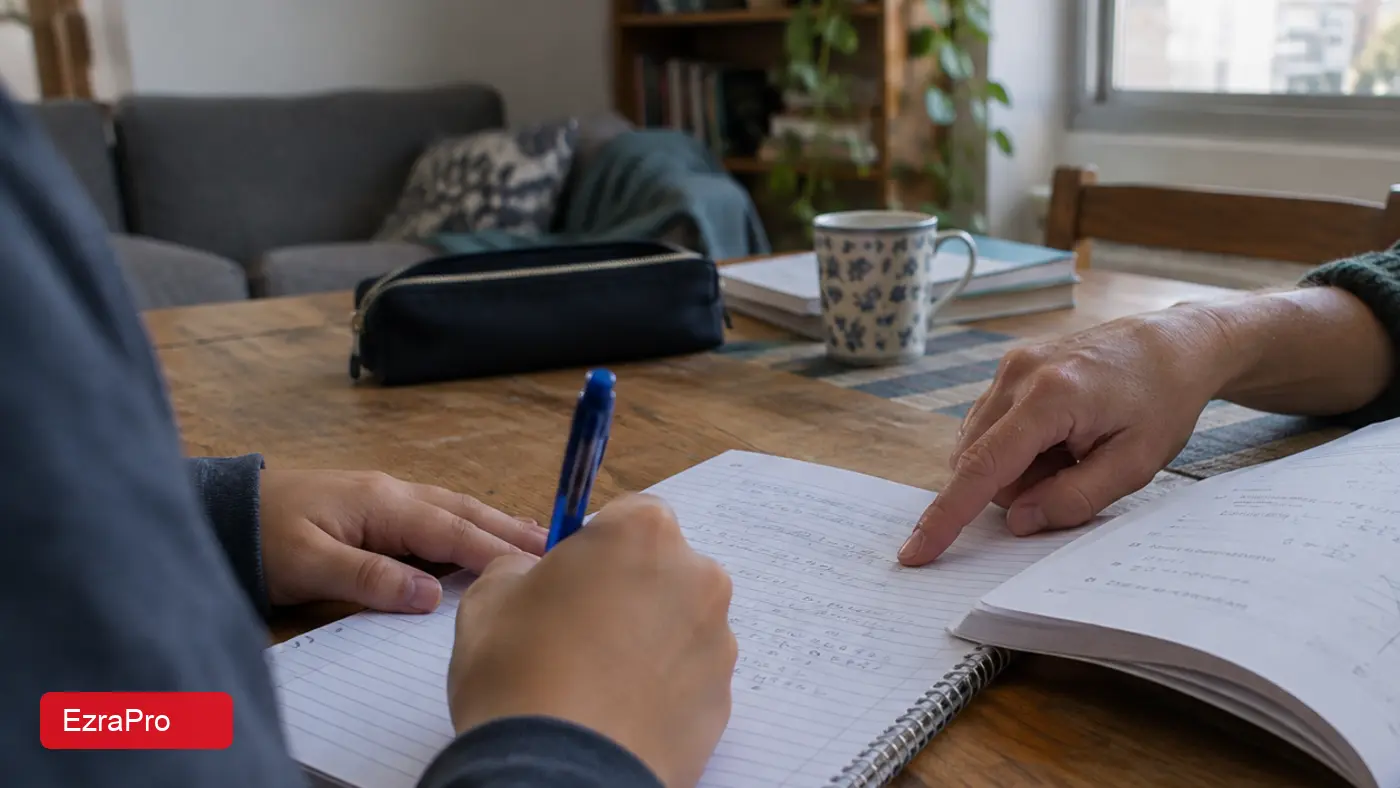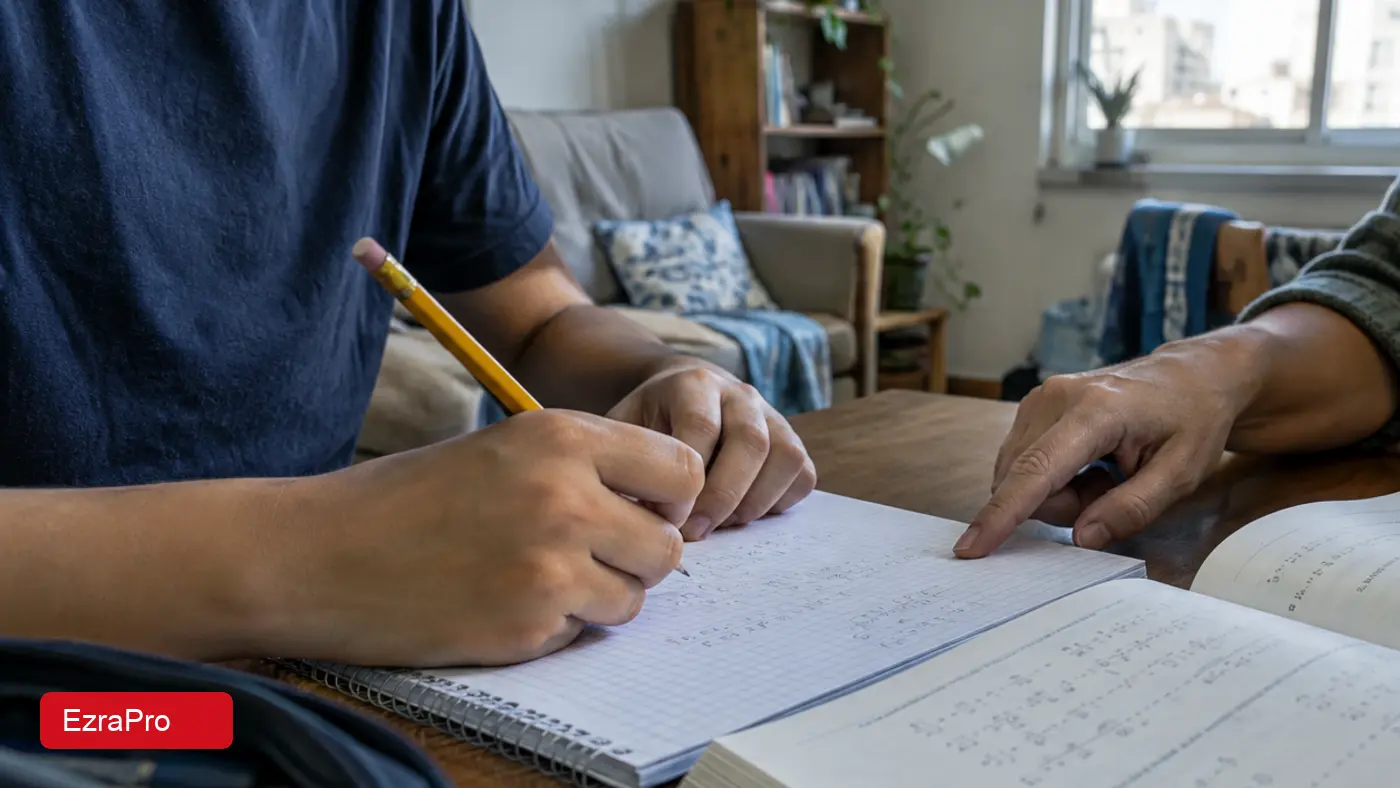
The best English tutor is not necessarily the one with the longest list of credentials. Look for a match between your goal, the tutor’s experience and the way they explain things. Before committing, describe the situations where you need English, ask how lessons are planned and agree on how you will review whether the approach is working.
Related read: a guide to factors that shape English tutor costs.
Define what you need English for
“I want to improve my English” is too broad to guide a useful search. Think about where you need the language: everyday conversation, work, interviews, study, reading or understanding spoken English. A clear use case makes it easier to ask whether a tutor has relevant experience and which skills a lesson should focus on.
Describe your current strengths and sticking points without worrying about assigning yourself a precise level. Is it hard to follow a conversation, speak without preparation, use grammar, write clearly or pronounce unfamiliar words? If you live in Israel and use English alongside Hebrew or another language, explain when you switch languages and what tends to make you hesitate. This context can help a tutor choose examples that feel relevant to your daily life.
- Describe real situations in which you want to use English.
- Name what already feels manageable and what you want to improve.
- Say whether your priority is work, daily life, study or conversation.
Check relevant experience and teaching style
Ask who the tutor usually teaches and what kinds of goals they work on. Experience with school pupils, adult beginners, job applicants and learners who want more speaking confidence may not be interchangeable. Ask how the tutor might structure lessons for someone with a similar aim, while treating any example as an explanation of the approach—not a promise of a particular outcome.
Credentials matter, but so does the ability to listen and explain. In an introductory lesson, notice whether the tutor responds to what you say, spots recurring errors and can explain a point in language you understand. If an explanation does not make sense, a good tutor should be able to rephrase it, give an example and check whether that helped. If you are also comparing private tuition in another subject, this guide to private maths lesson costs in Israel outlines questions worth asking before lessons begin.
- Ask what a typical lesson looks like and how materials are chosen.
- Find out how the tutor corrects mistakes and gives feedback.
- Check that the tutor’s experience matches your goal and age group.
Agree on format, schedule and terms
Decide whether online or face-to-face lessons suit you better, and whether you want individual teaching or a small group. Ask who supplies learning materials, whether there is practice between lessons and how cancellations or rescheduling work. For online sessions, check that you can hear clearly and work with shared documents; for in-person lessons, agree on a location and time you can realistically keep.
Ask how the fee is structured: the lesson length, format, travel to your home, preparation for a particular goal or checking extra assignments may affect the quote. Compare tutors on the same set of terms rather than looking only at the advertised rate. For a focused breakdown of factors that shape English tuition costs in Israel, see how much an English tutor costs in Israel.
- Confirm lesson length and cancellation or rescheduling terms before starting.
- Check whether homework and written-work feedback are included.
- Compare like with like, including format, materials and travel.
Review the fit after lessons begin
After a few sessions, ask whether you understand what you are practising and why. Progress does not have to mean fluent conversation straight away: you may first notice recurring mistakes, understand spoken English more easily or form short sentences with greater confidence. Return to your original goal from time to time and discuss which skills are being practised and what still needs attention.
If the lessons do not feel useful, identify the specific issue: the pace is too fast, there is too little speaking practice, explanations are unclear or assignments do not relate to your goal. A tutor should be willing to discuss adjusting the plan. If you raise the concern and the approach still does not change, it may be time to reconsider; this practical guide covers what to do if a tutor is not helping.
- You can describe what you practised after each lesson.
- Practice tasks match your goal and feel manageable.
- The tutor can explain how you will review progress and adapt the plan.