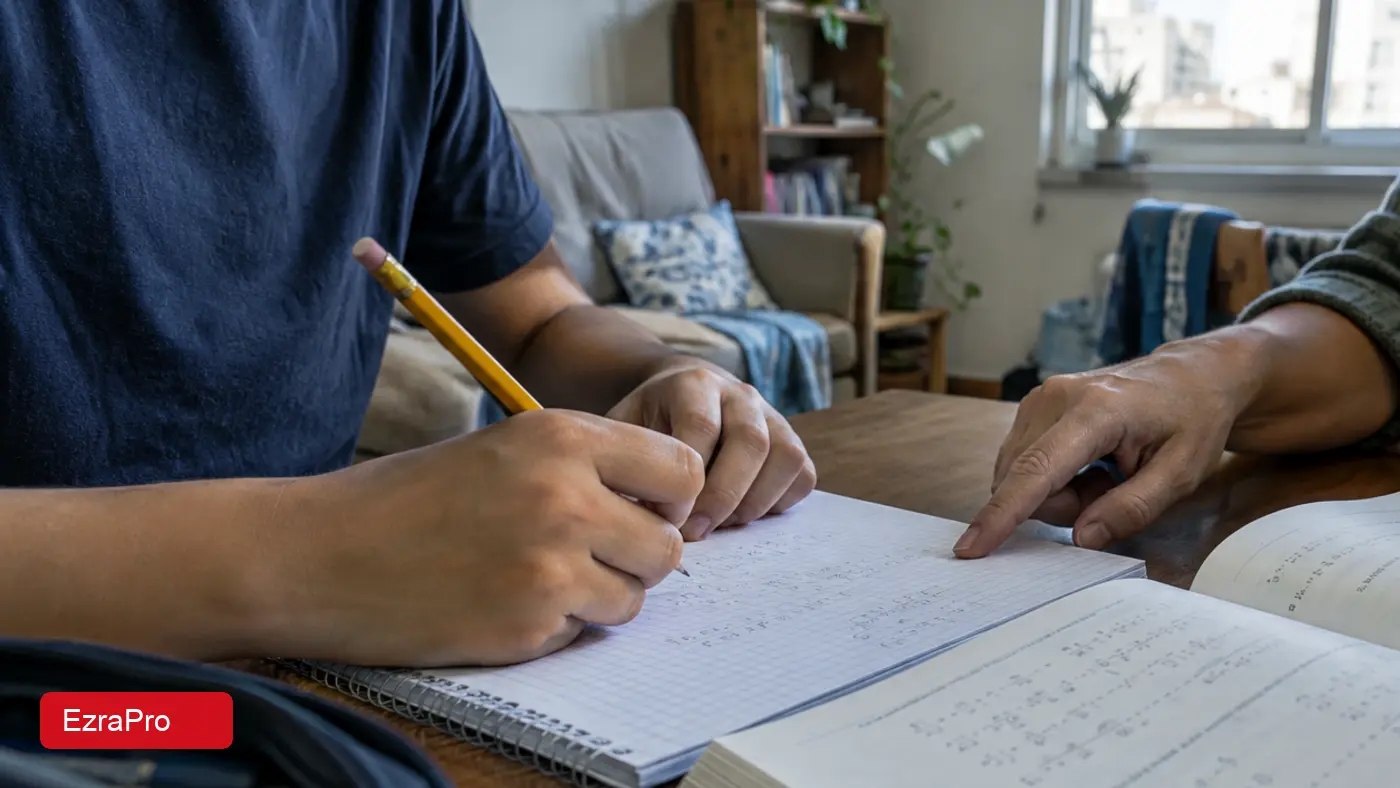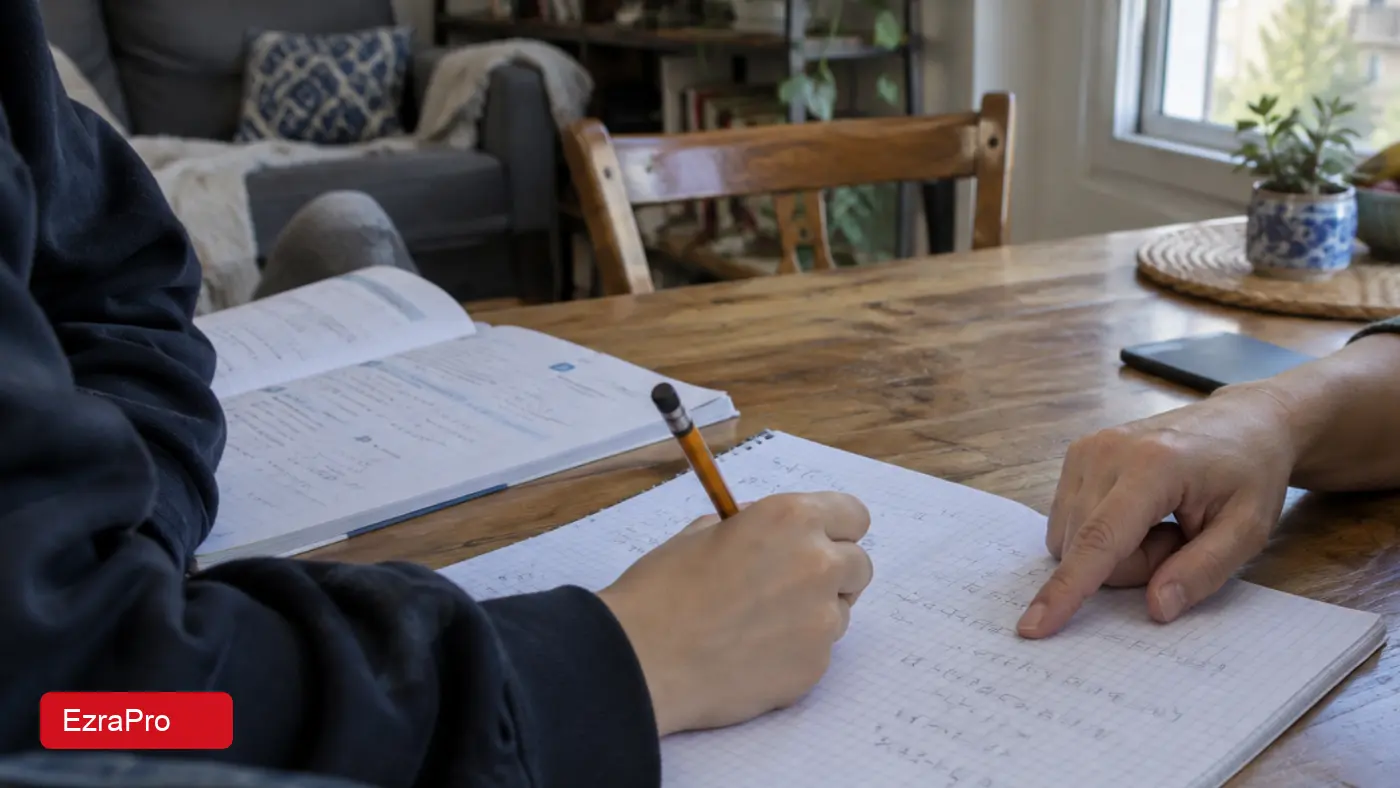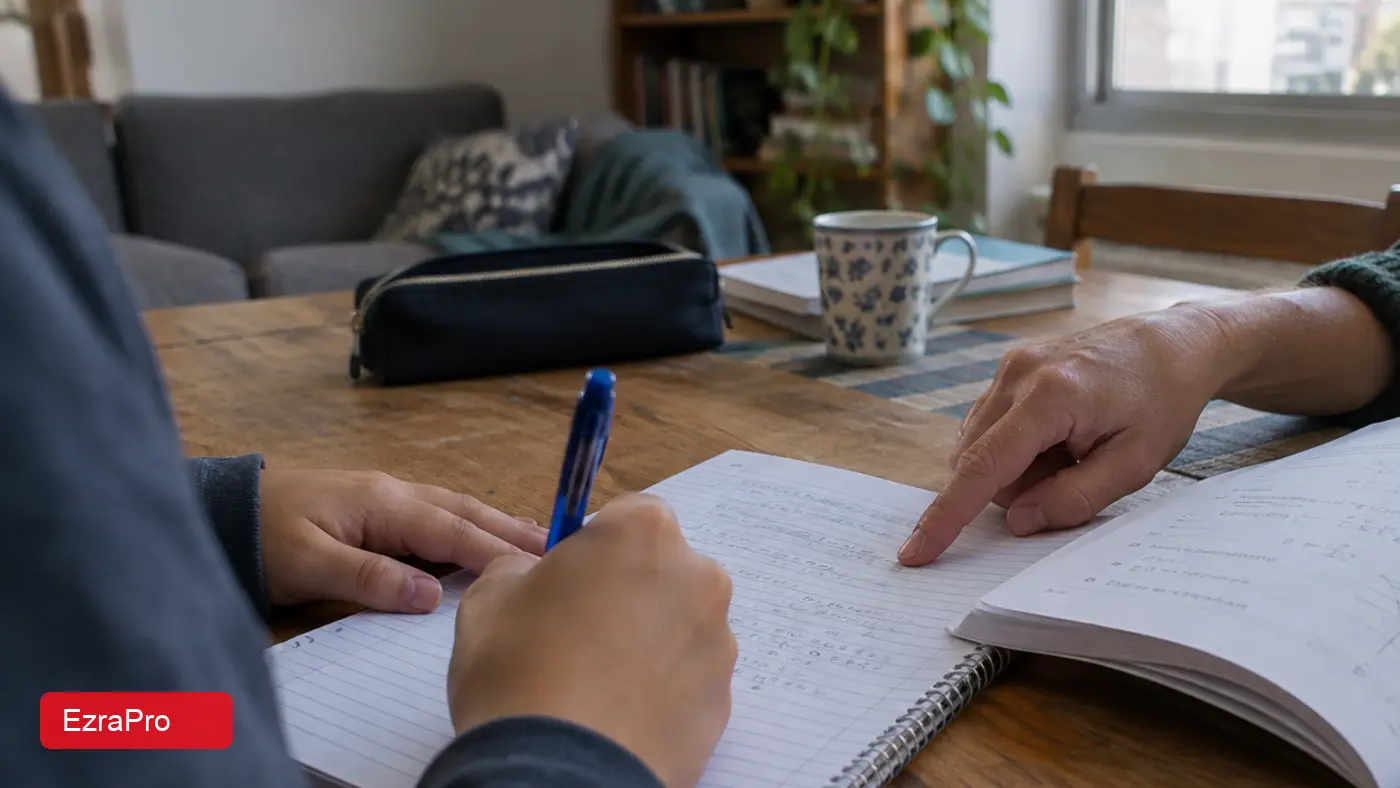
Searching for the cost of private maths lessons in Israel is really a search for a quote that fits a particular learner. A weekly school-support lesson is not the same service as targeted Bagrut preparation or rebuilding missing foundations. This guide explains what commonly shapes a tutor’s offer and what to clarify before committing.
Related read: how maths tutor quotes are shaped in Israel.
Start with the learning goal
The purpose of tutoring is one of the main factors behind a quote. Ongoing help with current schoolwork may involve a different plan from revision for an exam, focused practice in selected topics or work to close long-standing gaps. When a learner needs a structured programme, the tutor may also spend time assessing their starting point, choosing priorities and reviewing progress.
Give the tutor useful context before asking for an estimate: the learner’s school year, curriculum, topics they find difficult and immediate goal. A student who is missing foundations may need to revisit earlier concepts before moving on; another may need focused exam practice. A clear description helps the tutor propose a suitable format rather than offering a vague figure that is hard to compare.
Tutor expertise and teaching approach
Tutors differ in qualifications, experience with particular age groups and familiarity with school programmes or Bagrut preparation. A specialist who regularly works with a specific level or exam may bring a more tailored plan, and that can shape the quote. Credentials matter, but they do not by themselves show whether the tutor’s explanations will work for this student.
Ask what kinds of learners and topics the tutor usually teaches, how they check understanding and whether they set practice between sessions. If you expect homework review, learning materials or progress updates for parents, confirm whether those are part of the arrangement. Comparing the actual teaching support is more useful than comparing short profiles alone.
Lesson format, duration and travel
Sessions may take place at the tutor’s home, at the student’s home or online. A home visit can involve travel time and transport, so ask whether getting to your area is included in the quote or handled separately. Online lessons avoid the journey, but they work best when both sides have a reliable connection and a practical way to write, share and solve problems together.
Duration affects the total cost of a session, so make sure offers refer to comparable lesson lengths. Ask whether preparation, worksheets, marking work or a short update after a lesson are included. If a learner needs longer or more frequent sessions before an exam, discuss the proposed schedule and how it affects the arrangement before booking.
Compare offers and agree the details
Before starting, clarify what each session includes, how progress will be reviewed and what happens if either side needs to reschedule or cancel. Mention any specific needs, such as Bagrut preparation, a particular school curriculum, extra practice or a home visit. A written message confirming the duration, format and any additional services can prevent misunderstandings later.
An introductory meeting can help you see whether the tutor’s explanations make sense to the student and whether the student feels able to ask questions. Check in after a few lessons: if the original plan is not producing progress, discuss a change in pace or method. If the arrangement still does not help, see our practical guide to what to do when a tutor is not helping.