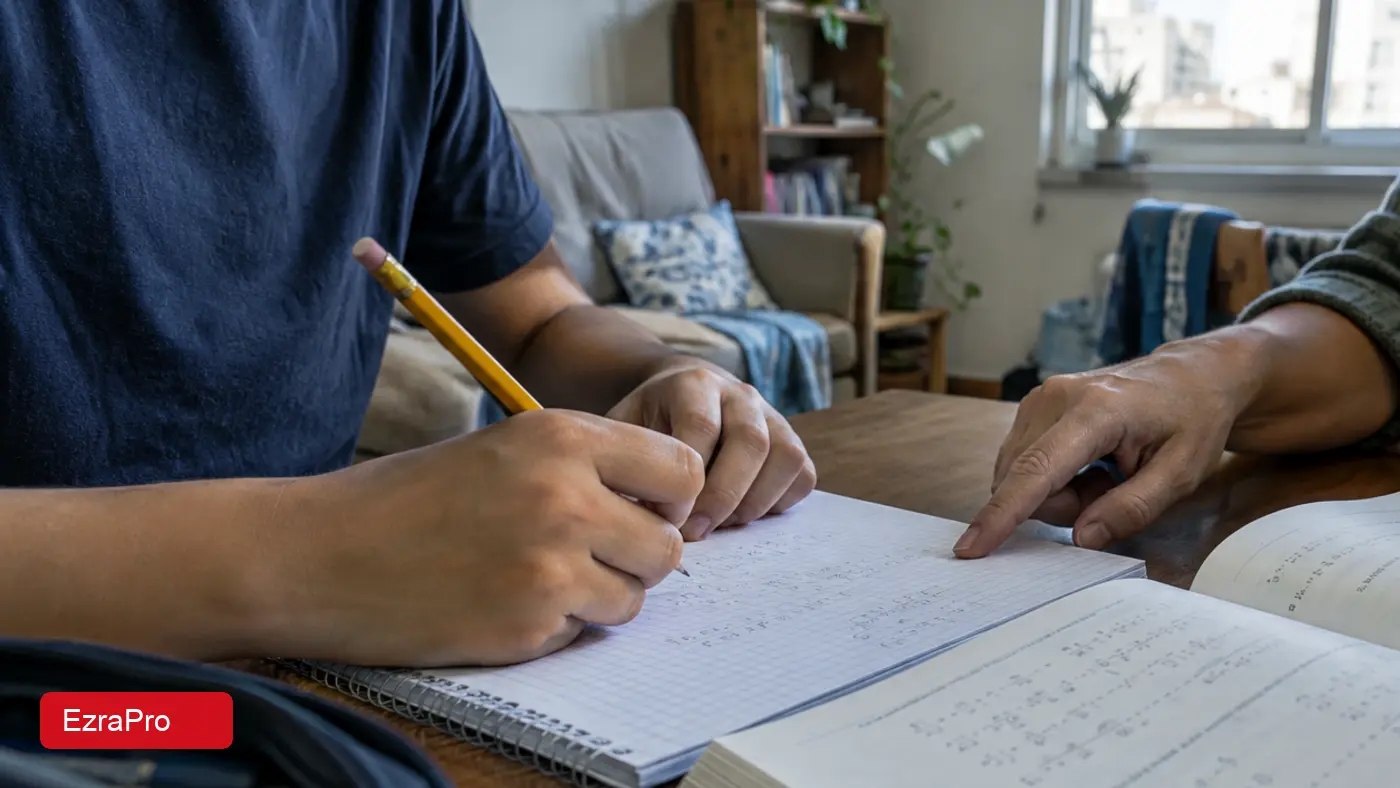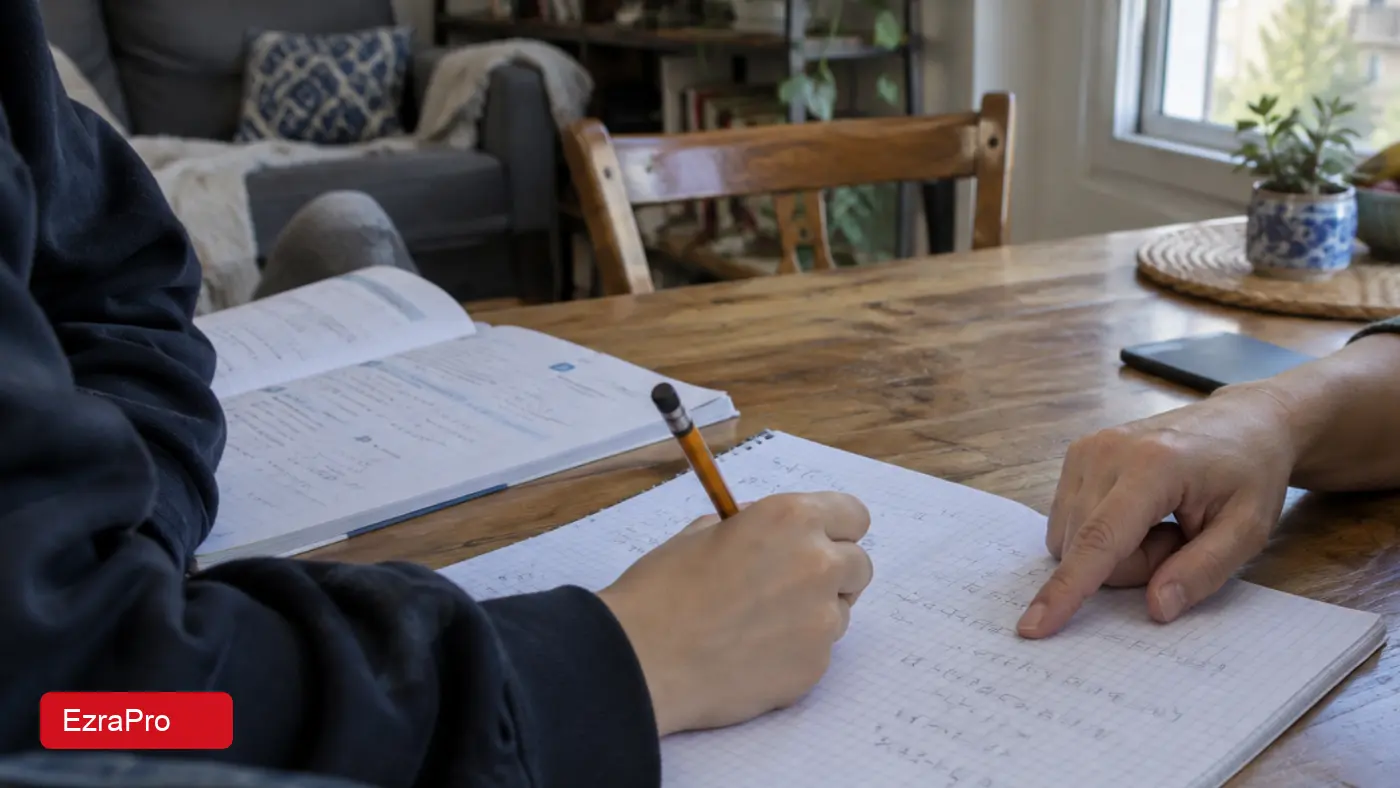
There is no single standard fee for a maths tutor in Israel. A quote can reflect the lesson format, the student’s level, the learning goal, the tutor’s experience, the teaching language and the preparation required outside the lesson. Comparing the scope and fit of the service is more useful than comparing one figure alone.
Related read: how to compare a service provider’s quote.
What shapes a maths tutoring quote
Tutoring may take place at the student’s home, at the tutor’s home, online or through a hybrid arrangement. Home visits can involve the neighbourhood, travel time, parking and availability at popular hours. An online lesson does not remove preparation: the tutor may still create digital-board activities, select exercises, check the connection and send follow-up material.
Ask what the stated lesson length actually covers. One tutor may include homework review and a short parent update, while another may treat preparation or written feedback as separate work. Before booking, confirm the lesson duration, cancellation and rescheduling rules, communication channel, and whether practice material is included.
The student’s level and learning goal
Support for a primary-school pupil, repairing gaps in algebra and preparing for an important exam are different services. A tutor needs to know the student’s grade, school programme, teaching language and specific difficulties. They may ask for photos of recent work or suggest a short assessment before planning regular sessions.
Exam preparation involves more than explaining formulas. Students may need practice recognising question types, showing their working, managing time and checking answers. For ongoing school support, the priority may be steady understanding and independent study habits. A clearly stated goal helps families request comparable proposals from several tutors.
How to compare tutors fairly
Check which ages and curricula the tutor knows, including Israeli, international or other school programmes. Ask whether they can teach in Hebrew, English or Russian when needed. It is also worth asking about experience with test anxiety, attention difficulties or students who understand the maths but struggle to ask questions in the school language.
Ask the tutor to describe a typical lesson: how the objective is set, how understanding is checked, what practice is assigned and what feedback a parent receives. Reviews can be helpful, but they do not replace an introductory conversation or trial lesson. A good sign is a tutor who asks about the individual student instead of promising the same outcome to every family.
Questions to settle before the first lesson
Agree on the schedule, lesson length, changes and cancellations, homework expectations, learning materials and communication. For a home visit, provide a quiet workspace and clarify building access. For online tutoring, decide who supplies the platform link, digital board and files, and what happens if the connection fails.
After several lessons, look for evidence of understanding rather than only completed worksheets. Can the student explain the method, spot an error and begin a problem without full prompting? If progress is unclear, discuss the goal and teaching approach with the tutor before changing providers. EzraPro can help families compare verified profiles and ask focused questions before booking.